Two-ingredient yogurt flatbread
youryum.com/recipes/yogurt-flatbread · serves 6
Flour and yogurt, no yeast, no waiting
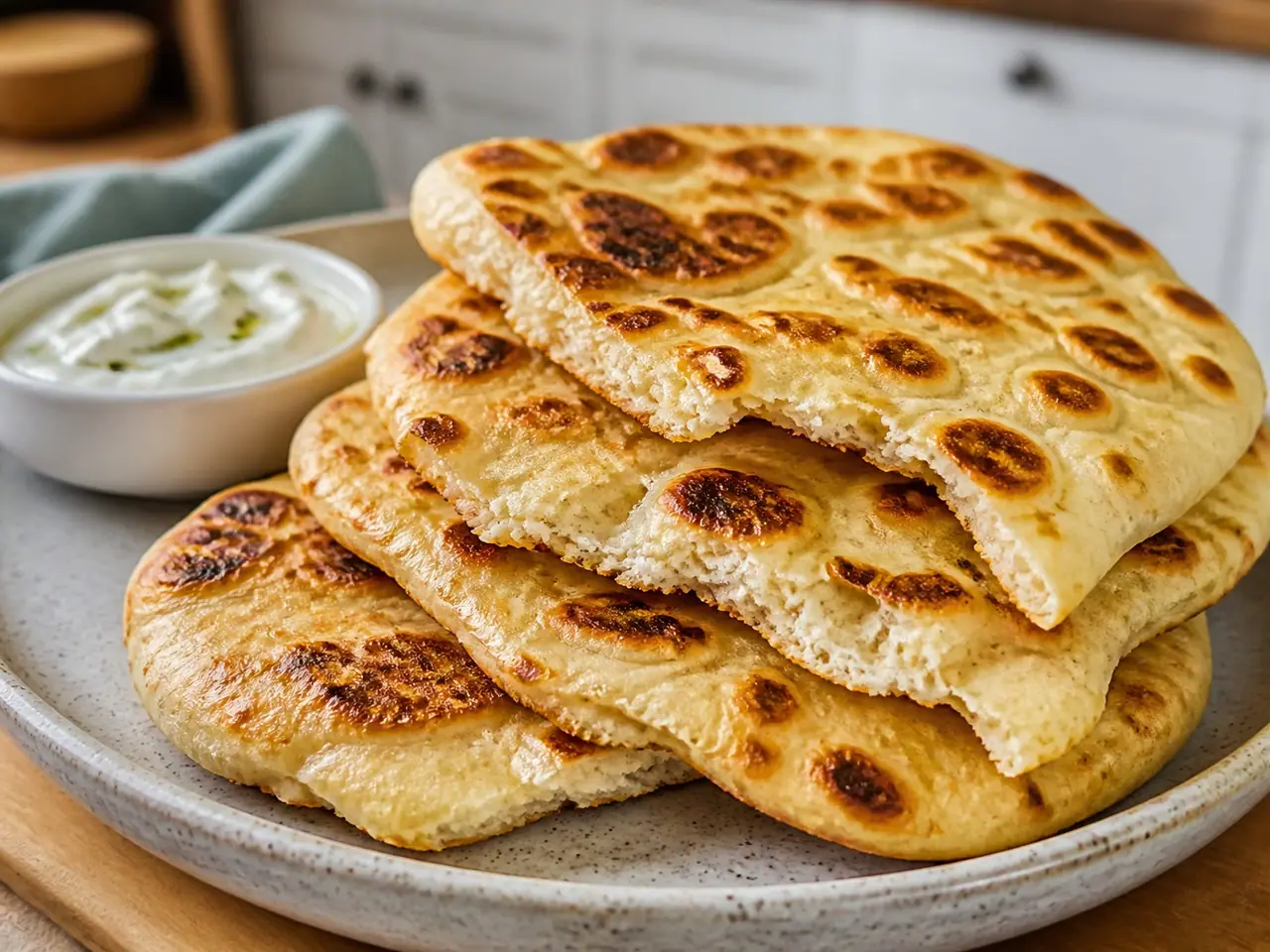
No yeast, no proving, no oven. Flour and yogurt in a bowl, and hot bread twenty minutes later.
- Vegetarian

- Prep
- 10 min
- Cook
- 12 min
- Total
- 22 min
- Serves
- 6
- Per serving
- 198kcal
- Effort
- Easy
Yogurt is acidic and self-raising flour contains bicarbonate of soda. Put the two together and the reaction starts immediately.
That is why this bread needs no yeast and no proving time, and it is also why you cannot make the dough an hour before you want to eat. The lift is already happening in the bowl while you decide what to do next. Roll it and cook it, and you will have hot bread twenty minutes after you thought of it.
Ingredients
Equipment
- Heavy frying pan or cast iron skillet
Method
-
Mix
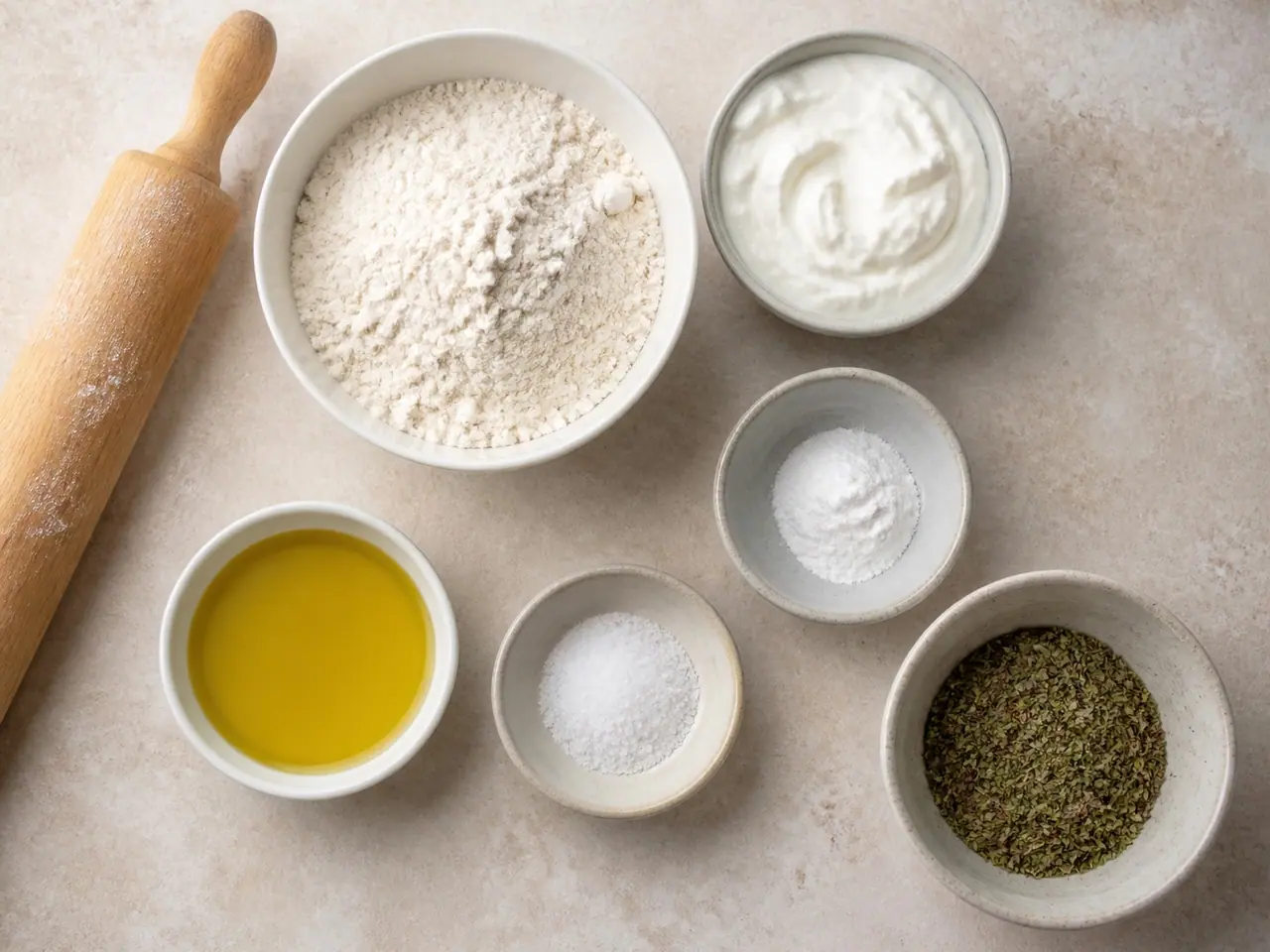
Flour, yogurt and salt in a bowl. Bring it together with a spoon and then your hands.
It will look far too dry for about thirty seconds and then come together all at once. Resist adding water in that thirty seconds. Almost everyone does it the first time, and the result is a sticky dough that needs another handful of flour, which throws the whole ratio out.
-
Knead for two minutes only
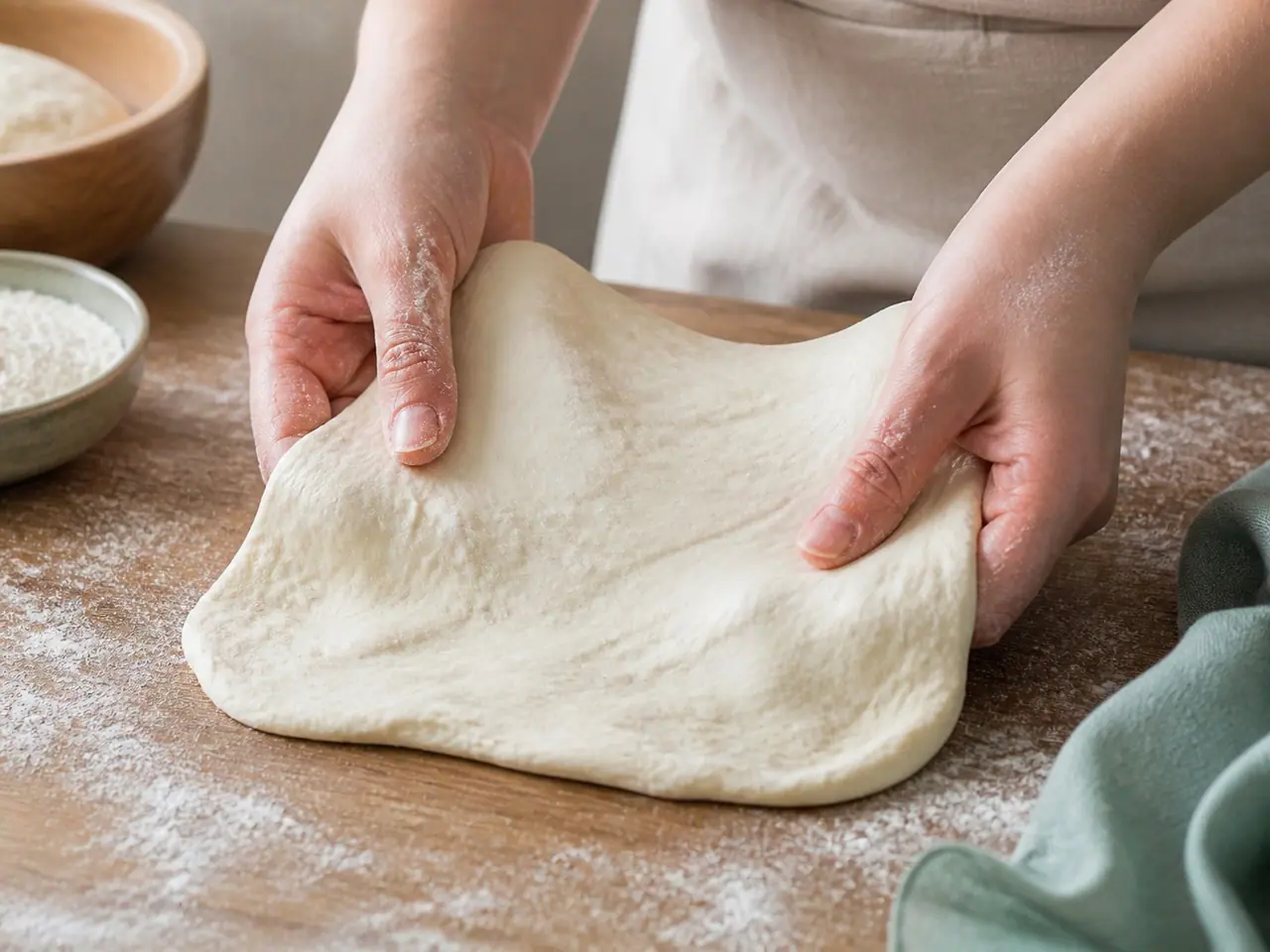
Two minutes on a floured surface, until it is smooth.
This is not bread dough and you are not building gluten for structure. You are making it even. Kneading it for ten minutes gives you something tough that fights the rolling pin.
-
Divide and roll thin
Six pieces, each rolled to about 3 mm, which will feel thinner than seems sensible.
They puff considerably in the pan and a flatbread rolled to 6 mm comes out closer to a scone.
-
Dry pan, high heat
No oil in the pan. Get it properly hot first, then cook one at a time: about ninety seconds until large bubbles rise and the underside is blistered dark in spots, then a minute on the other side.
Cast iron holds heat best. A thin non-stick pan loses temperature the moment the dough goes in, and you get pale bread with no blisters.
-
Stack under a towel
Straight into a folded tea towel as each one comes off. The trapped steam keeps them soft and pliable.
Left on a rack they stiffen within five minutes.
What's in it
Nutrition, buying and storage notes for the ingredients this recipe leans on.

Reading your yogurt
Thick strained yogurt at around 250 g gives a dough you can handle immediately. A thinner set yogurt carries more whey and will need an extra 30 to 50 g of flour to reach the same place.
If the dough sticks to your hands after two minutes of kneading, that is what happened. Add flour a tablespoon at a time.
Why they puff
Steam. The water in the dough turns to vapour faster than it can escape through the surface, which lifts the top layer away from the bottom one and leaves a pocket.
A pan that is not hot enough lets the steam escape gently instead, and nothing lifts. If your breads are flat and pale, turn the heat up rather than cooking them longer.
Nutrition
Per serving, for 6 servings. Estimated from ingredient weights — it moves with the brands and cuts you actually use.
| Nutrient | Per serving |
|---|---|
| Calories | 198 kcal |
| Protein | 8 g |
| Carbohydrate | 36 g |
| Fibre | 2 g |
| Fat | 2 g |
Source: Estimated from ingredient weights, USDA FoodData Central
Questions
Can I use normal yogurt instead of Greek?
Why is my dough sticky?
Can I bake them in the oven?
What do I serve them with?
Filed under
Cook this next
All recipes →
Charred corn, tomato and peach salad with warm flatbread
Warm flatbread turns the lemony tomato and peach juices into part of the meal. Char the corn, tear the bread and let everyone build a bite.
Harissa roast chicken traybake
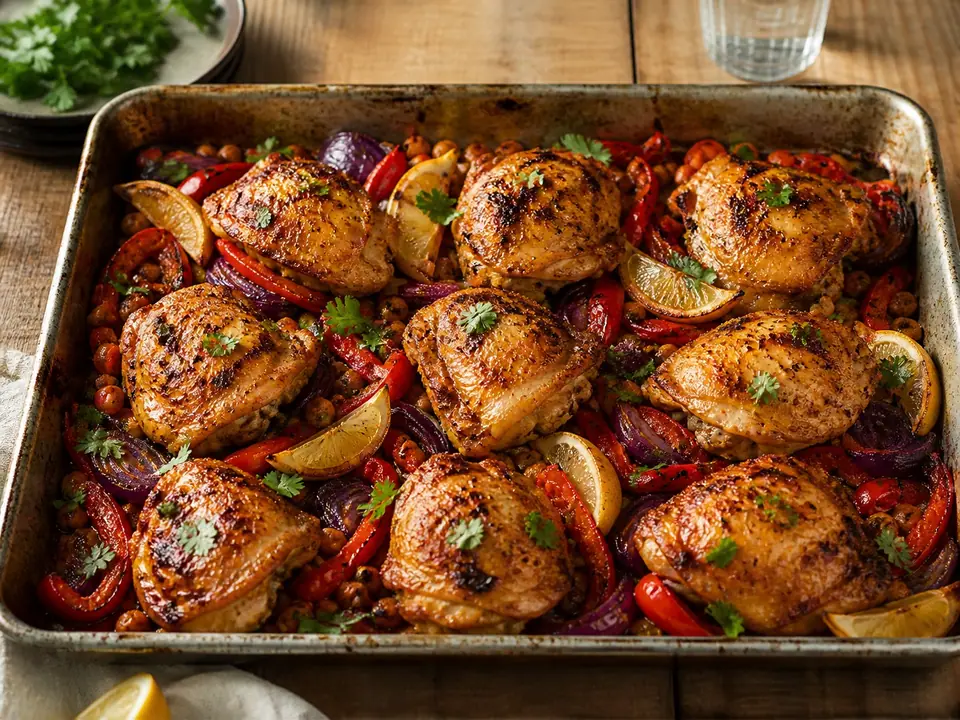
Chicken thighs roasted on top of chickpeas and red peppers, so the fat renders down into everything underneath. One tray, one wash-up.
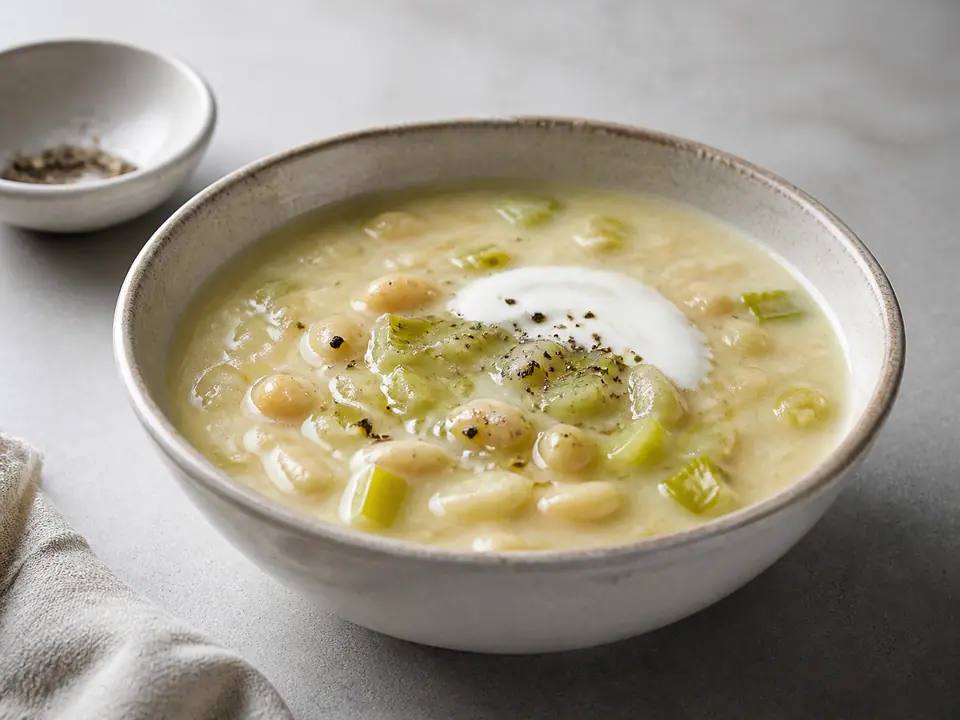
White bean and leek soup with yogurt
Cool lemon yogurt gives the creamy bean soup a fresh contrast and makes the leeks taste sweeter.