Miso-roasted cabbage with lemon and herbs
youryum.com/recipes/miso-roasted-cabbage-with-lemon-and-herbs · serves 4
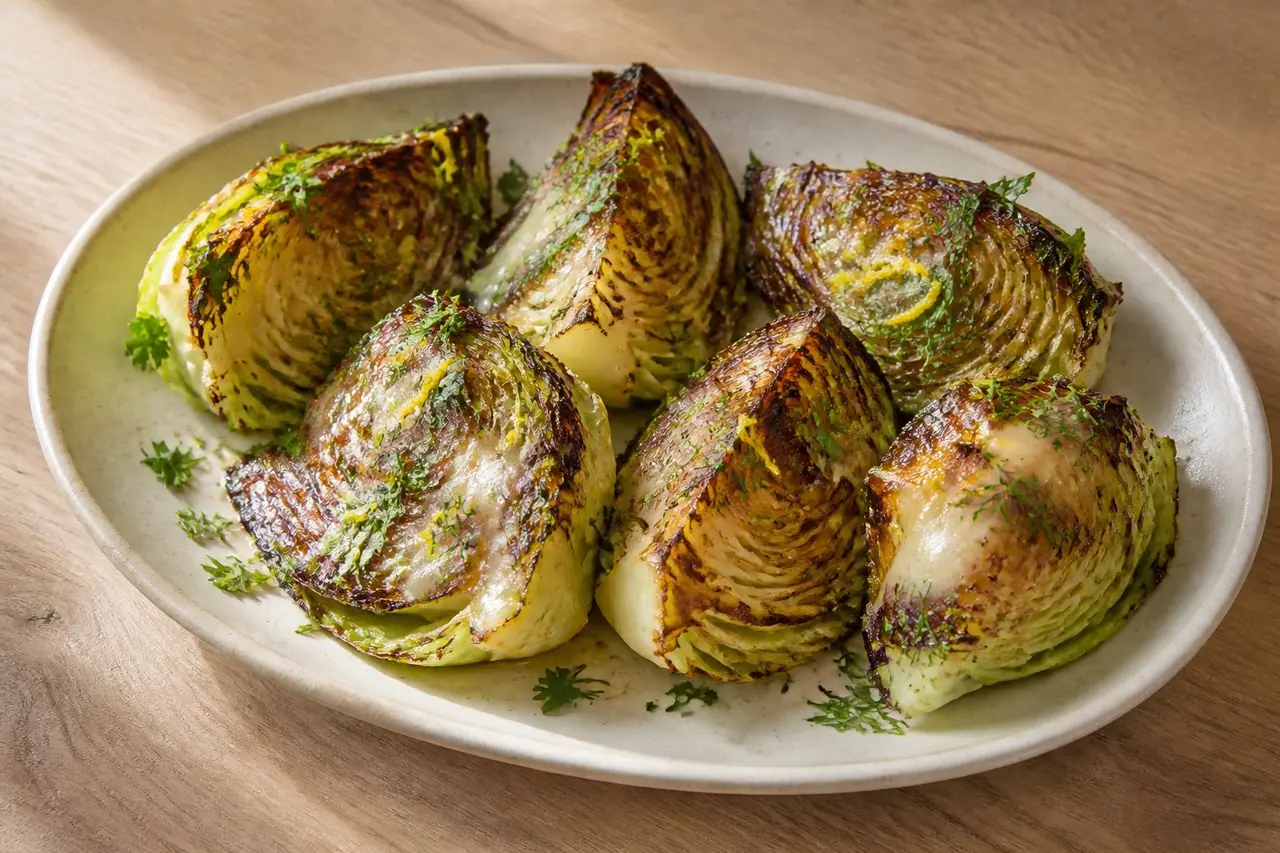
Cabbage with browned edges and a sharp finish
Roast the cabbage hard enough to brown the cut faces, then brush on the miso so it stays savoury rather than burning.
- Vegetarian
- Vegan
- Gluten free
- Dairy free

- Prep
- 10 min
- Cook
- 35 min
- Total
- 45 min
- Serves
- 4
- Per serving
- 166kcal
- Effort
- Easy
Cabbage needs more heat than patience. If it goes into a low oven, it gives up water and turns soft all the way through before the edges have any colour. A hot tray and thick wedges do the opposite: the outside catches, the middle steams in its own leaves, and dinner gets something with a proper crust.
The miso goes on after the first roast. Put it on at the beginning and the sugars scorch before the cabbage is tender. Lemon, parsley and dill bring it back from deep and savoury to bright enough for the plate beside it.
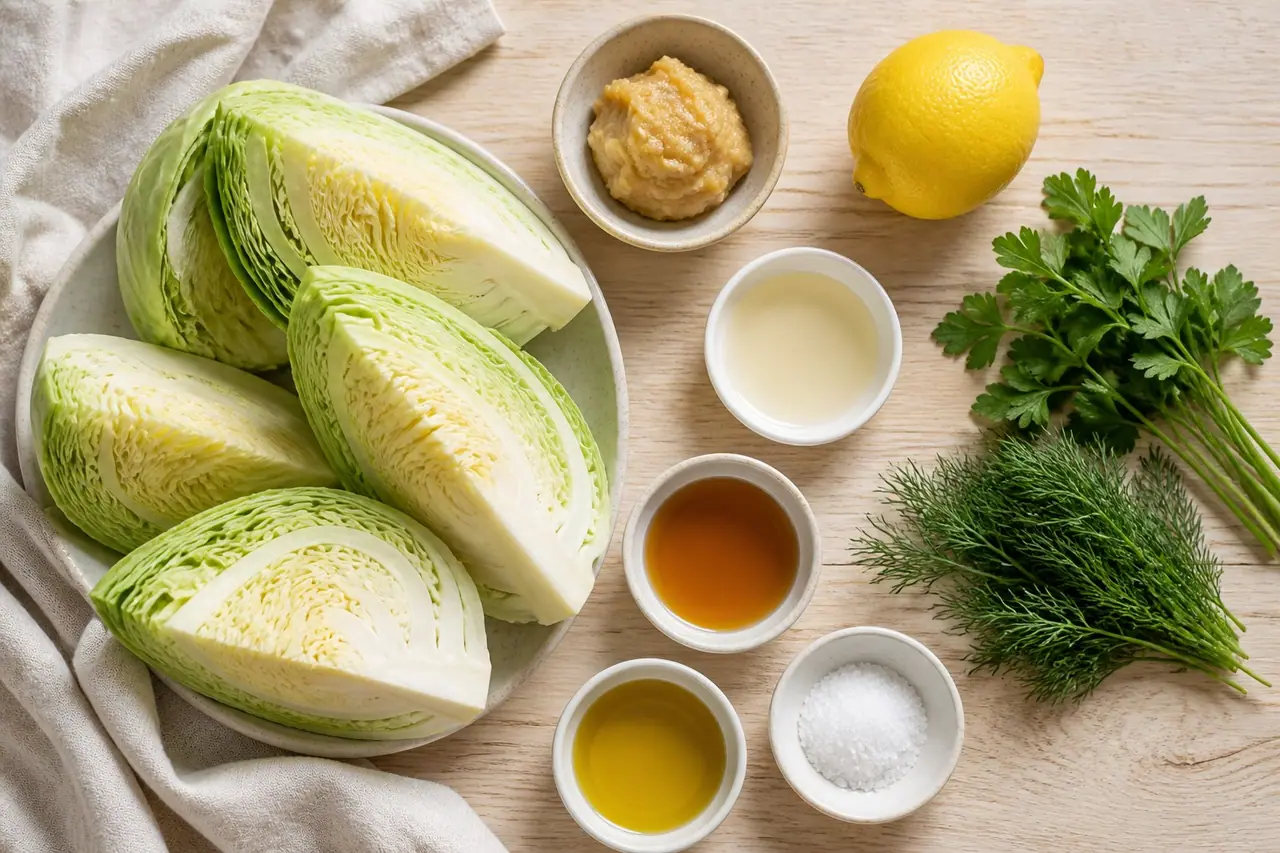
Ingredients
Cabbage
Miso brush
Finish
Equipment
- Large roasting tray
- Small bowl
- Pastry brush
Method
-
Heat the tray
Heat the oven to 220°C fan with the roasting tray inside. Cut the cabbage into wedges that stay attached at the core. Loose leaves burn before the centre cooks, while the core keeps each wedge together long enough to become tender.
-
Oil the cut faces
Mix the oil and salt, then rub it over every cut face of the cabbage. Take care around the edges; those thin leaves want only a film. Put the wedges cut-side down on the hot tray and roast for 20 minutes without turning.
When you lift one, the underside should be dark gold and the top leaves should be beginning to wilt. Pale cabbage needs another five minutes before the next step.
-
Mix the glaze
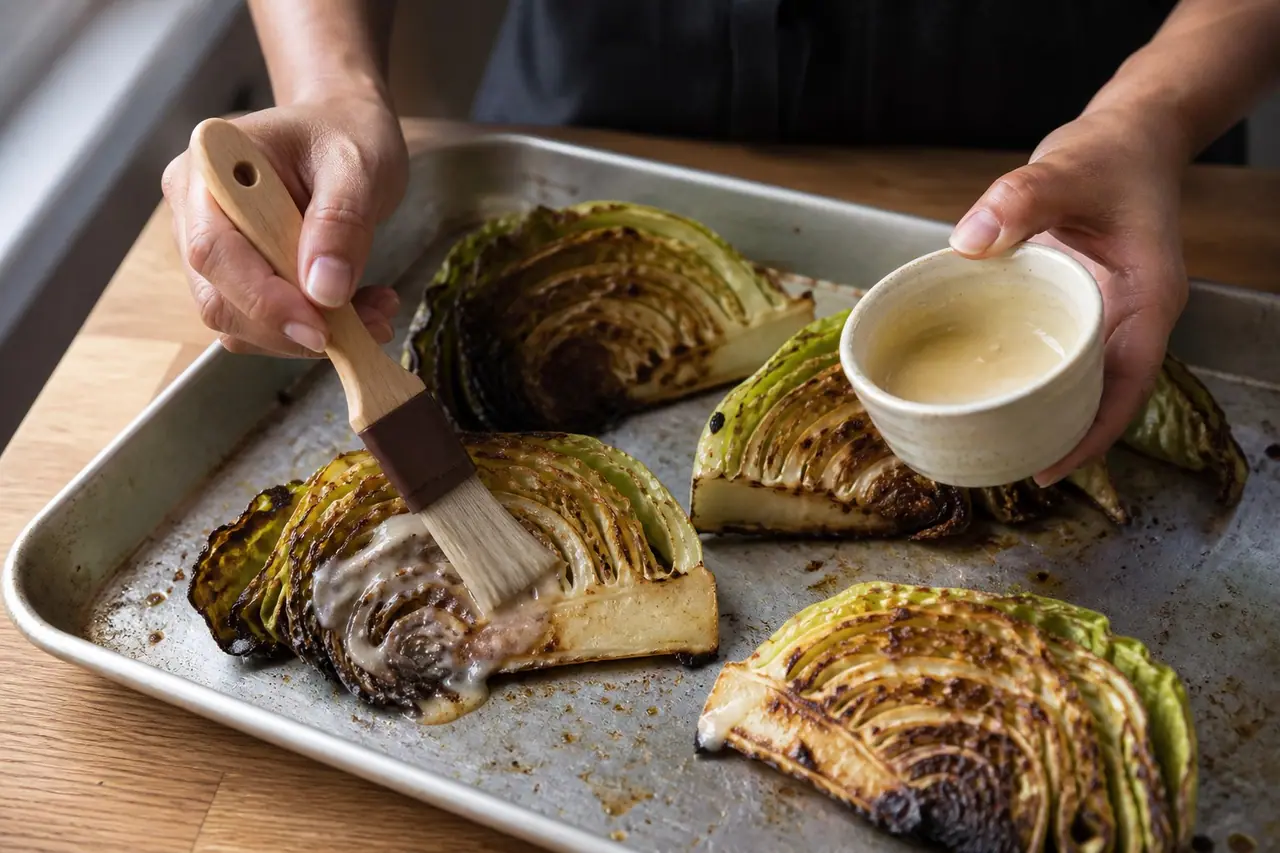
Stir the miso, vinegar, maple syrup and water in a bowl until smooth. It should be loose enough to brush, not so thin that it runs straight off the cabbage. White miso is salty, so do not add extra salt to the glaze.
-
Brush and finish roasting
Turn the wedges onto their other cut faces and brush the browned sides with the miso mixture. Roast for another 10 to 12 minutes, until the glaze is bronzed and a knife goes through the thickest part with little resistance.
If the leaves at the tips go black before the core softens, cover the tips loosely with foil. Do not lower the heat; that is how you lose the edge.
-
Bring in the sharp things
Lift the cabbage onto a platter. Add lemon zest, half the juice, parsley and dill over the hot wedges. Taste one from the centre. Add the remaining lemon only if the miso tastes heavy; the amount of juice a cabbage needs varies with its size and sweetness.
Why the cabbage stays in wedges
Cut cabbage into loose chunks and every leaf gets a different fate. The thin outer pieces char, the sheltered pieces sweat, and the core sits there raw. Wedges give you a built-in gradient: browned cut faces, tender leaves and a little resistance at the centre.
Do not trim the core away before roasting. You can remove the hardest bit at the table if it has not softened, but most of it becomes sweet and edible in the oven.
Miso after the first roast
Miso is fermented soybean paste, and the same sugars that make it taste round and savoury can burn on a hot tray. The first 20 minutes are for the cabbage. The last 10 are for the glaze. That division gives you proper browning underneath and a glossy, salty edge on top.
If the mixture is hard to spread, add water a teaspoon at a time. A thick lump of miso does not melt into the leaves; it sits there as a salty patch.
Nutrition
Per serving, for 4 servings. Estimated from ingredient weights — it moves with the brands and cuts you actually use.
| Nutrient | Per serving |
|---|---|
| Calories | 166 kcal |
| Protein | 5 g |
| Carbohydrate | 18 g |
| Fibre | 7 g |
| Fat | 9 g |
Source: Estimated from ingredient weights, USDA FoodData Central
Questions
Can I use savoy cabbage?
What can replace white miso?
How do I know the cabbage is done?
Can I roast it ahead?
Filed under
Cook this next
All recipes →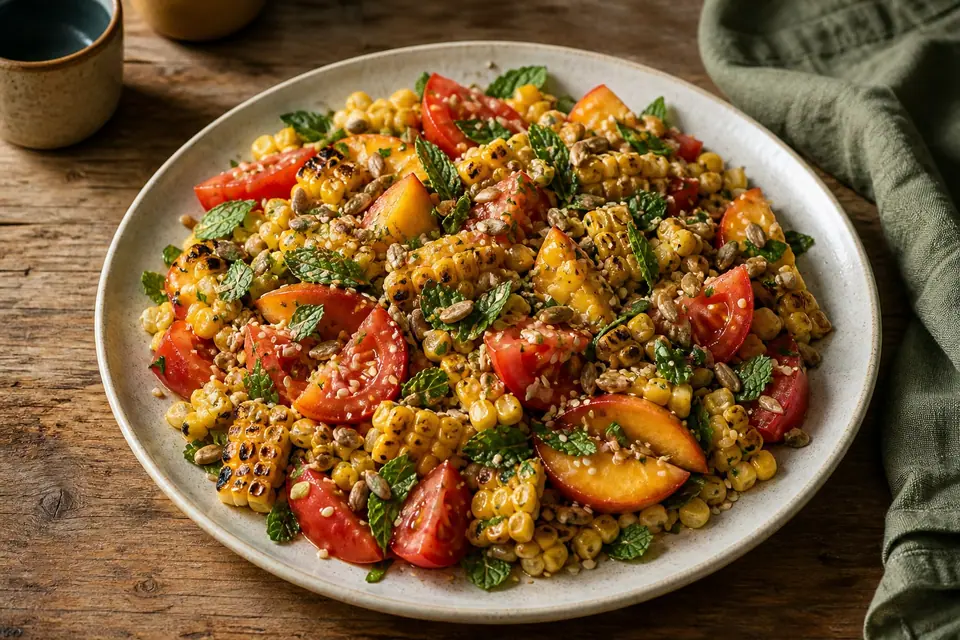
Charred corn, tomato and peach salad with toasted seeds
A simple corn, tomato and peach salad with two kinds of toasted seeds for crunch. The seeds are seasoned while warm so they taste of more than oil.
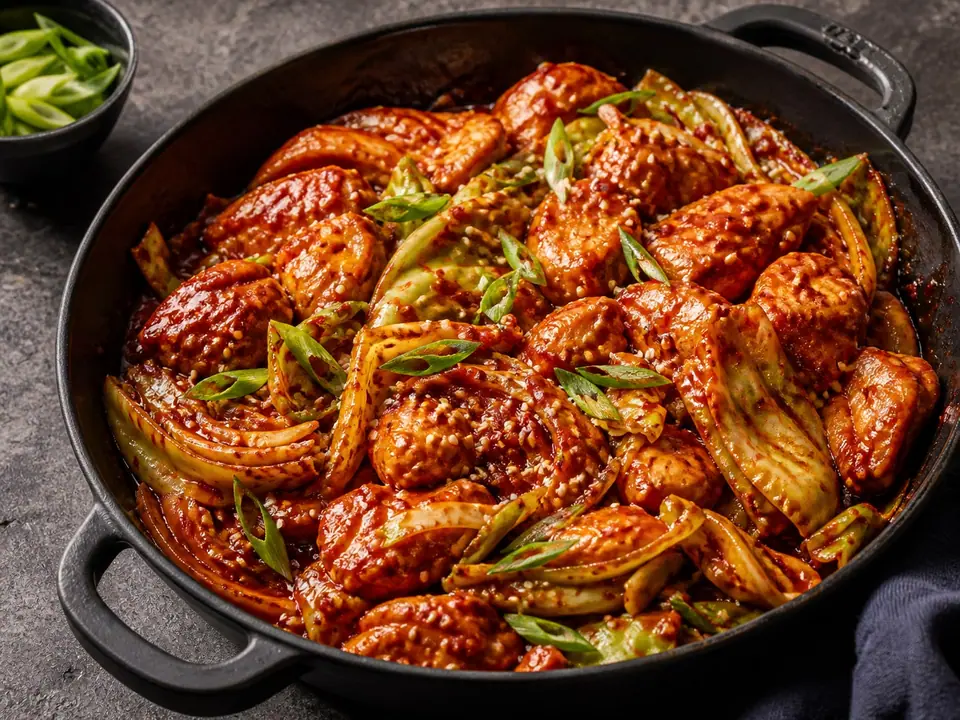
Gochujang chicken with cabbage for the freezer
Cook the cabbage until silky and the sauce until thick, then add fresh toppings after reheating for a freezer meal with balance.
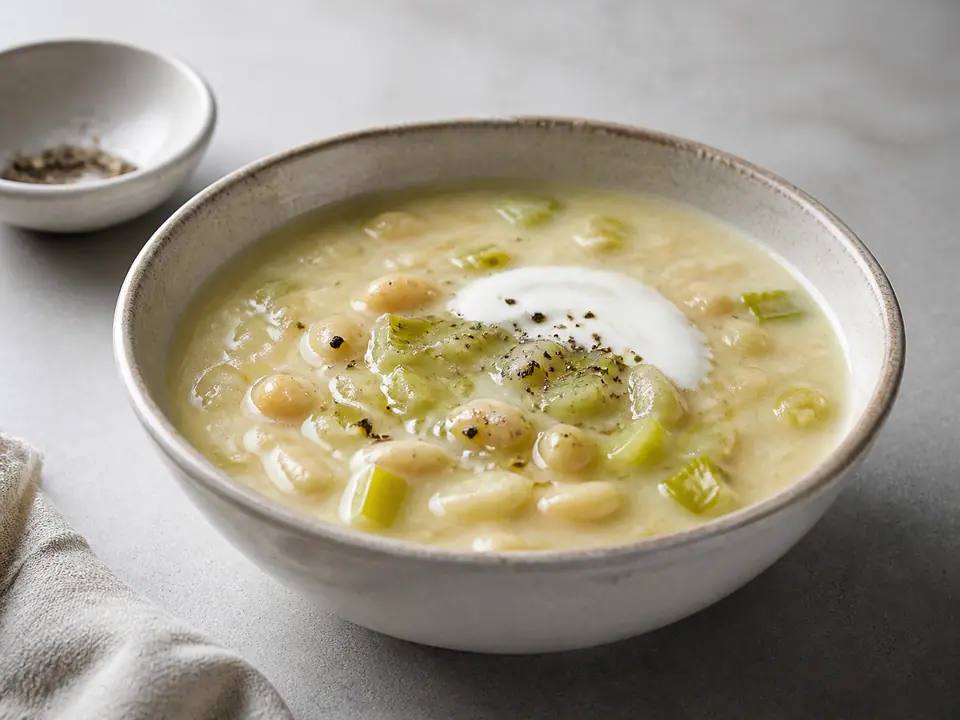
White bean and leek soup with yogurt
Cool lemon yogurt gives the creamy bean soup a fresh contrast and makes the leeks taste sweeter.