Keep them dry, whole and breathing
Courgettes go limp when moisture and cold air damage the skin. Store them whole, dry and loosely wrapped, then cut only what you need.

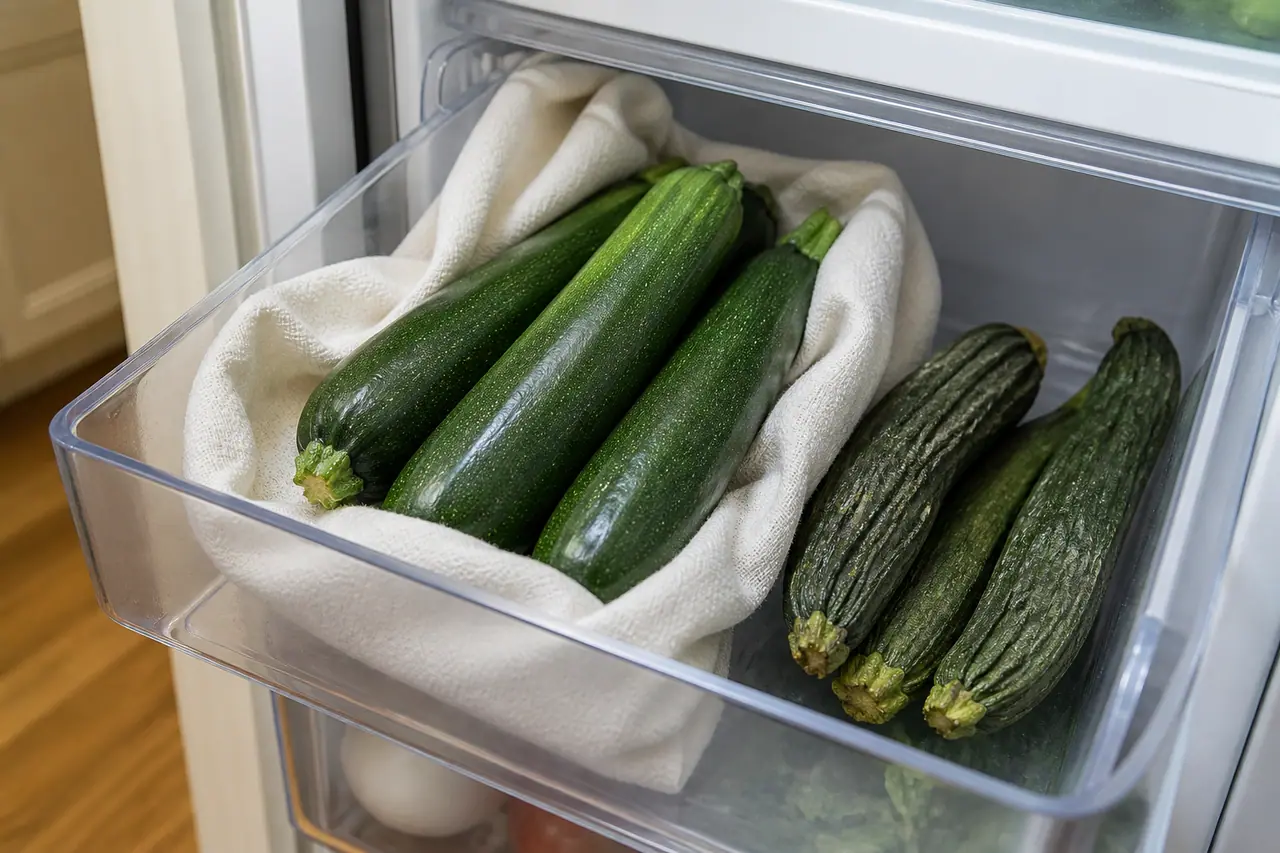
A courgette that bends when you lift it has lost the texture that made it useful. The fix starts before it looks sad: keep whole courgettes dry, avoid sealing wet skin in plastic, and do not wash them until cooking. In my fridge, loose courgettes in the crisper stayed firm for six days; washed ones in a sealed bag developed soft ends by day three.
Cold storage slows ageing but it does not make courgettes happy. They dislike condensation and rough handling. Give them a breathable wrap, keep them away from the coldest back wall, and use cut pieces within two days. If one is already limp, it is still good for soup or fritters, but do not expect it to brown like a fresh one.
Why the texture disappears
Fresh courgette has water held inside firm plant tissue.
After harvest, that tissue slowly loses moisture. At the same time, a damp surface encourages soft spots around the stem and blossom end. A sealed bag traps the water that the skin releases, so the vegetable sits in its own condensation.
The fridge creates a second problem when the courgettes move between cold air and a warm kitchen.
Water forms on the skin, then works into tiny scratches. A dry intact courgette can handle the fridge far better than a washed one with a wet cut end. Storage is mostly about managing that surface moisture.
The storage routine that works for me
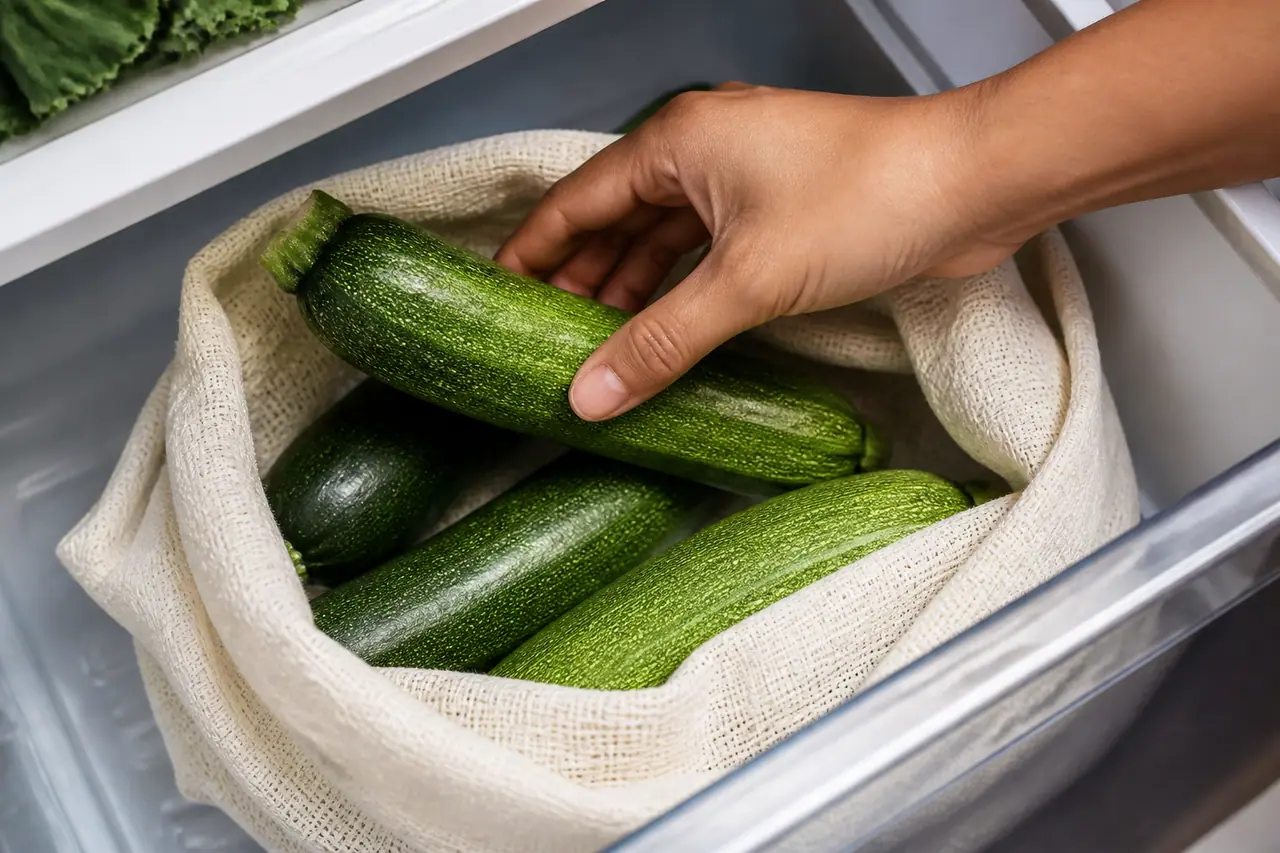
My drawer works best when the courgettes are not piled under a bag of salad. Pressure leaves a mark on the skin, and the mark becomes the first damp place after a few days. I put the squash on top of the drawer contents or along one side, where I can see the ends when I open the fridge. It sounds fussy until a soft spot spreads through a whole batch. Visibility is part of storage because it changes what gets used first.
I leave whole courgettes unwashed. If the skin has soil, I brush it off with a dry towel and wash the fruit immediately before cooking.
I line the crisper drawer with a clean cloth or paper towel, place the courgettes in a loose row, and leave a little room around them. They do not need an airtight container.
The drawer is better than the open fridge shelf because it protects the vegetables from drying drafts and from being crushed by jars.
I keep them away from a leaking salad bag and check the ends every other day. One soft courgette can make the cloth damp, so I remove it instead of letting it share its problem.
| Method | After a few days | My call |
|---|---|---|
| Whole and dry in crisper | Firm skin and clean ends | Best option |
| Whole in loose paper bag | Usually firm, easy to check | Good for a small batch |
| Washed in sealed plastic | Condensation and soft ends | Avoid |
| Cut in an open bowl | Edges dry, centre softens | Use within 24 hours |
| Cooked and chilled | Soft but useful in a sauce | Store as a cooked dish |
Source: Maren Ashby storage test, 2026
How long cut courgette lasts
Once cut, the protected skin is gone and more surface is exposed.
I keep chunks in a sealed container lined with a dry towel and use them within two days. The towel is not there to make the vegetable dry; it catches condensation so the pieces do not sit in a puddle. Replace it if it feels damp.
Cut rounds are the least forgiving because their exposed faces touch the container.
Batons keep a little more structure. If the pieces are already dressed with salt, oil or lemon, cook them the same day. Salt draws out water and acid starts changing the surface, which is good for a salad close to the table and poor for long storage.
The rescue for a bendy one
A limp courgette is not automatically spoiled.
Trim the ends and inspect the centre. If the skin is clean and the flesh smells fresh, grate it for fritters or cook it into soup. I squeeze grated flesh in a towel, but not until it is dry; leaving a little moisture keeps a fritter tender.
For roasting, cut it into thick pieces and salt them for 10 minutes, then blot the surface.
Use a hot tray and plenty of space. The result will be softer than a fresh courgette, so pair it with something crisp such as toasted seeds or a sharp yogurt sauce. Do not use a soft, leaking or sour-smelling fruit.
The practical verdict
Whole courgettes keep their texture longest when they are dry, loosely wrapped and stored in the crisper.
Cut them only as needed, keep cut pieces protected from condensation, and cook limp ones in preparations that welcome moisture. A fridge can slow the decline; it cannot reverse it.
Do not store them beside every fruit
The crisper is not a neutral box. Keep courgettes away from damaged produce and from bags that are already wet.
Check the drawer before you add a new batch. Good storage cannot protect a courgette that is pressed against a split tomato or sitting in condensation from yesterday’s greens.
I put the newest vegetables at the back only if I will remember them. Otherwise I keep them visible and use the oldest first. The best system is the one that makes the next dinner obvious.
Questions
Should courgettes be kept in the fridge?
How long do courgettes last in the fridge?
Can I freeze raw courgettes?
Are limp courgettes safe to eat?
More guides
All guides →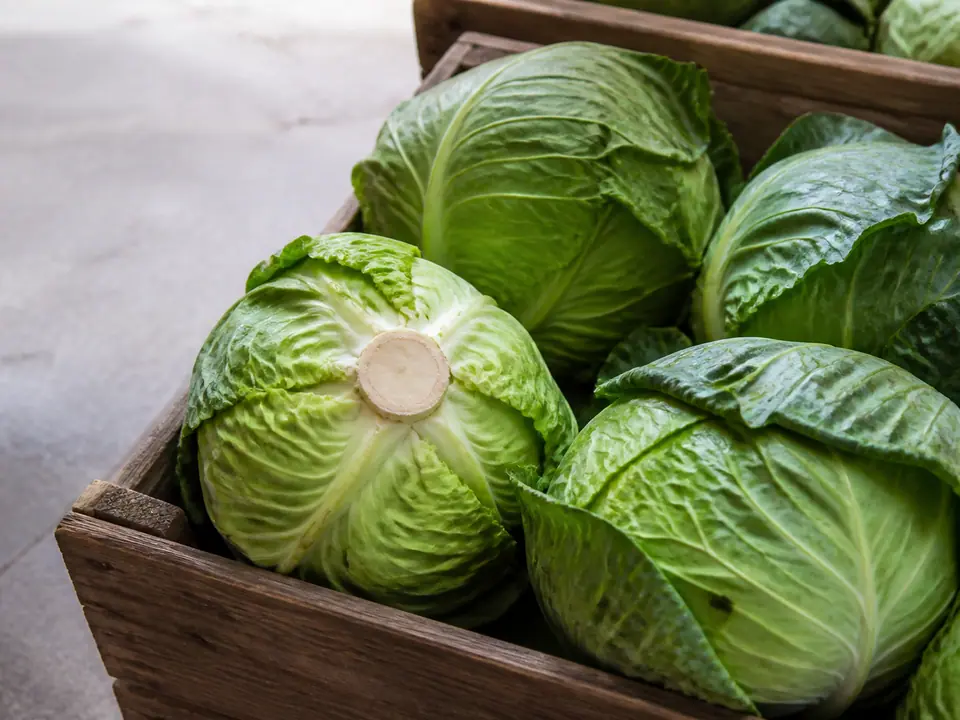
How to choose a cabbage that will stay crisp
A crisp cabbage feels dense, has tightly packed leaves and a dry cut base. The shop test takes less time than rescuing a wilted half later.

5 dinners for a bag of carrots
Roast carrots with beans, blend them into lentil soup, fry them with rice, fold them through pasta or build a spiced traybake around them.
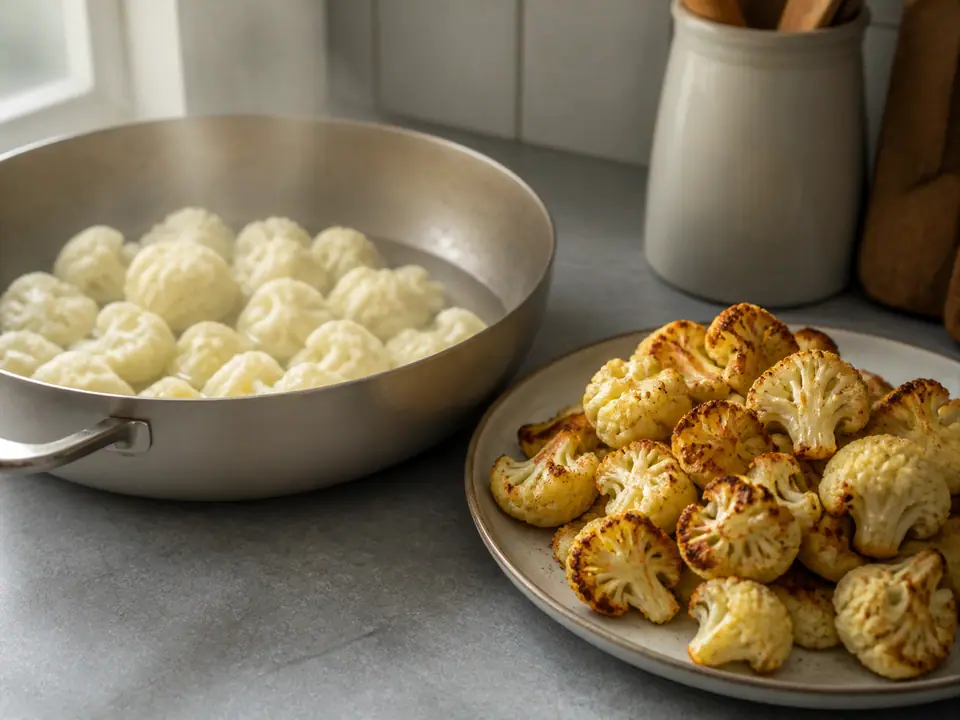
Why cauliflower can smell strong when it is overcooked
Cauliflower contains sulfur compounds that become more noticeable with prolonged wet cooking. Shorter, hotter cooking keeps the smell quieter and the texture firmer.