Five ways to stop the courgette pile becoming a chore
A pile of courgettes needs different textures, not five versions of the same saute. These dinners use roasting, grating, blending, ribbons and stewing.

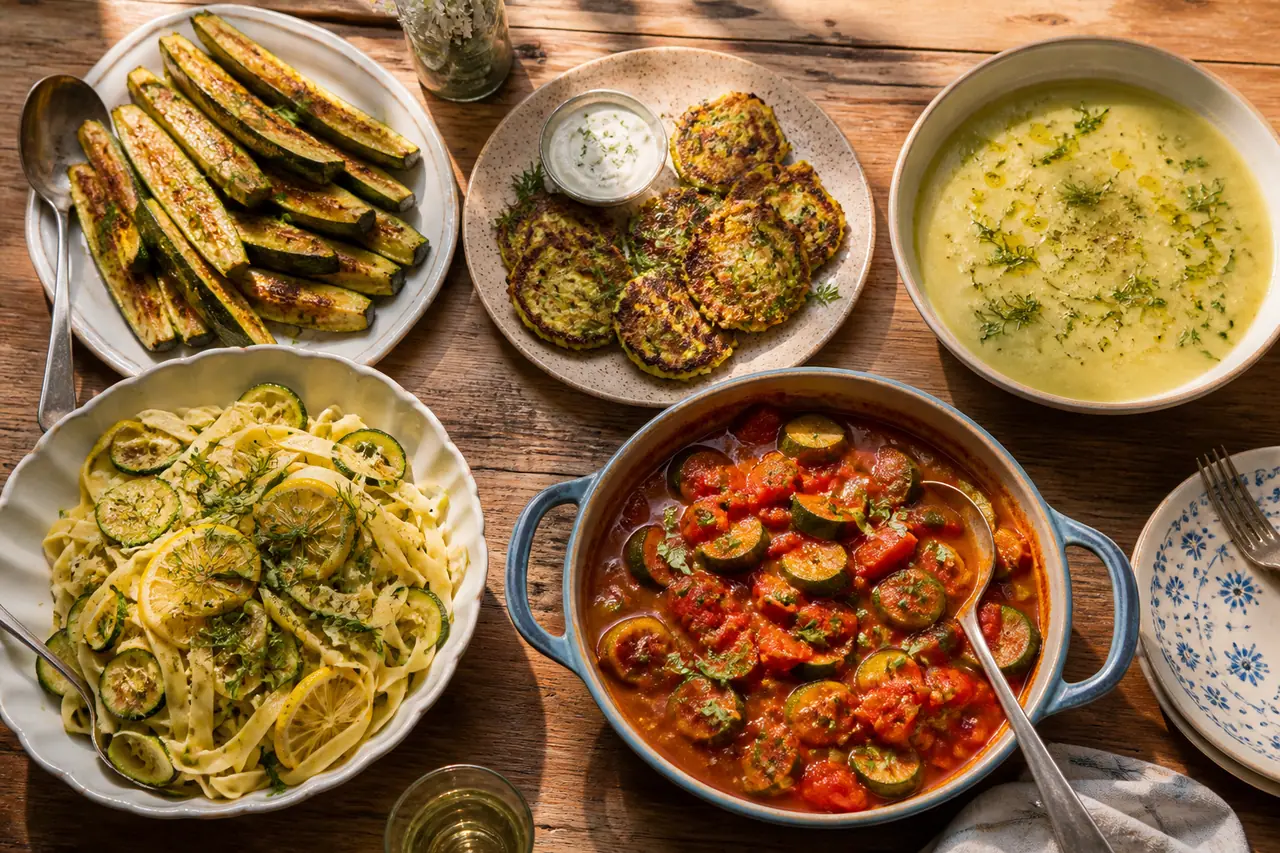
Too many courgettes become a problem when every dinner asks them to behave the same way. Thin slices turn wet, thick chunks stay firm, and a large seedy one can make a fritter mixture collapse. I sort the pile by size and choose five different jobs: roast, grate, blend, ribbon and stew. That uses the vegetable instead of forcing every one into another pan of soft green coins.
Here are the five dinners I return to when the drawer is full. They are not interchangeable. The first wants browned edges, the second wants squeezed shreds, and the last wants the extra water that makes a sauce. Use the method that fits the courgette you have, and the glut starts looking like ingredients rather than homework.
1. Roast batons with lemon and yogurt
Cut small or medium courgettes into thick batons, dry them well and toss with oil, salt and cumin.
Roast on a preheated metal tray at 220°C fan for about 20 minutes, turning once. The pieces should have browned corners and a centre that gives when pressed. Finish with lemon zest, chopped herbs and a spoon of Greek yogurt.
This is the dinner for the firmest fruit.
Do not use a deep dish; the sides hold steam close to the squash. I leave a finger of space between the batons and add the yogurt after the tray comes out. A warm spoonful of yogurt melts into the edges, while a cold one on top keeps the plate fresh.
2. Courgette fritters with a sharp dip
The order matters if the pile is already soft. I grate the largest fruit before I start dinner, because the towel can drain while the oven heats. The small firm ones wait for the tray and keep their shape. A courgette that has started to bend does not need to be thrown away, but it does need a different job. Sorting first means I am not asking a tired vegetable to become a crisp side dish at the last minute.
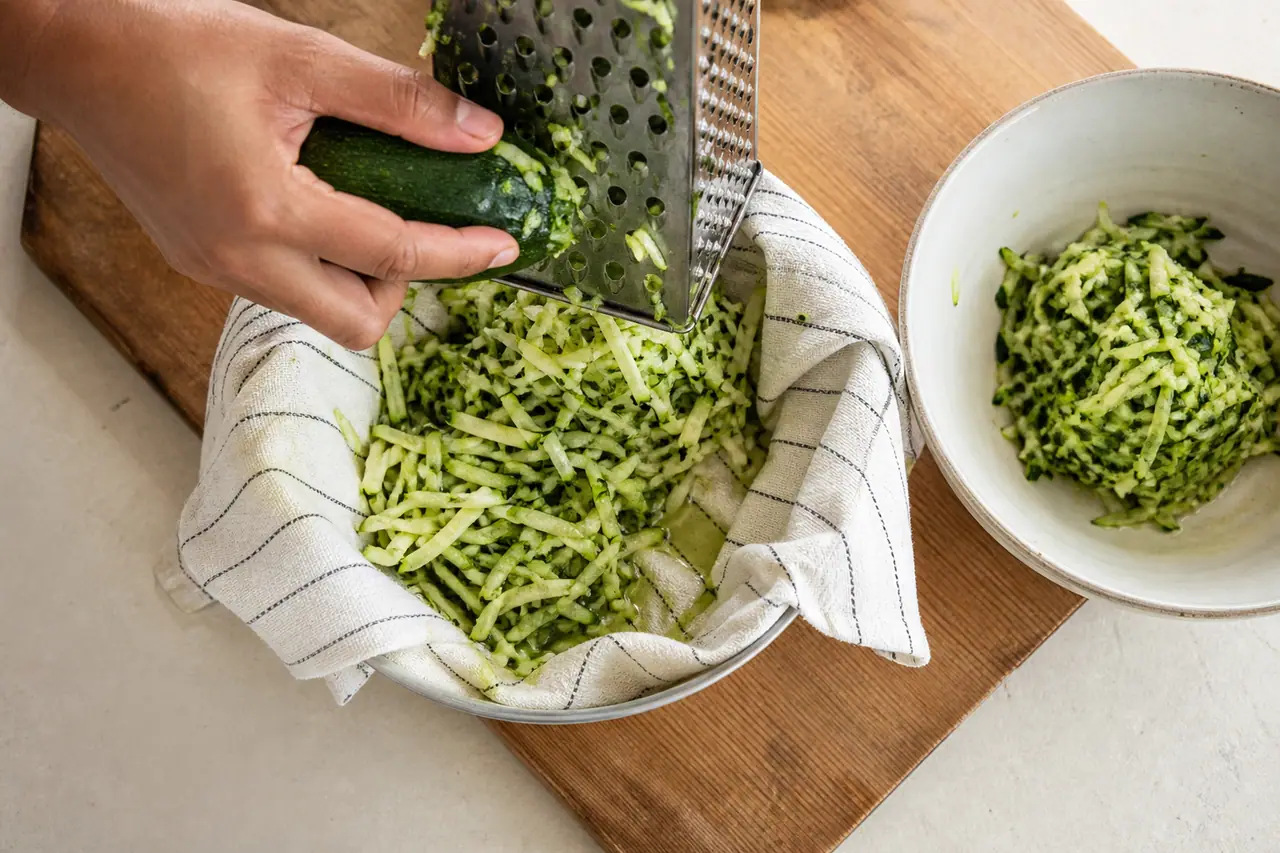
Grate large courgettes, salt the shreds and leave them for 10 minutes.
Squeeze them in a clean towel until the liquid slows to a drip, then mix with egg, flour, scallions and pepper. Fry small patties over medium heat so the centre cooks before the outside burns. A 500 g courgette gave me 180 g of squeezed shreds in my last batch.
The size of the fritter matters. I use a heaped tablespoon per patty and press it thin, around 1 cm.
Thick fritters stay wet in the middle and soak up oil. Serve with yogurt mixed with lemon and a pinch of salt. The [zucchini fritters](/recipes/zucchini-fritters) method has the same useful squeeze step and can take the rest of a market bag.
3. Courgette and white bean soup
Sweat onion and garlic in olive oil, add chopped courgette and a peeled potato, then cover with stock.
Simmer for 18 minutes, blend half the pot and return it to the pan with white beans. The potato gives body without cream, while the beans make the bowl substantial enough for dinner.
Use the large courgettes here. Their water becomes part of the broth, and the soft centre disappears in the blender.
I keep a few browned slices aside for the top because a smooth green bowl needs contrast. Toasted seeds, chili oil or a piece of bread all work, but the soup needs one crisp thing.
4. Courgette ribbon pasta
Use a peeler to make long ribbons from small firm courgettes, stopping when you reach the seedy core.
Cook pasta separately. In the last minute, warm garlic and olive oil in a wide pan, add the ribbons and a splash of pasta water, then toss the drained pasta through. The ribbons need less than two minutes; longer and they turn into strands of mush.
I use one courgette per generous portion of pasta, not three.
The vegetable is there to loosen the sauce and give a fresh bite, not to replace every noodle. Lemon, herbs and grated hard cheese finish it. For a more vegetable-led bowl, use the [zucchini ribbon salad](/recipes/zucchini-ribbon-salad) idea and add warm beans or a fried egg.
5. Tomato courgette stew
Brown thick courgette chunks in oil, remove them, then cook onion, garlic and tomato paste in the same pot.
Add tinned tomatoes and return the courgette with chickpeas. Simmer uncovered for 20 minutes until the sauce clings to the pieces. This is the best use for a mixed bag because the red tomato base gives soft pieces somewhere to go.
Do not add the raw courgette to cold tomato sauce and hope it will brown later.
It will soften, release water and thin the stew. The short browning stage is worth the extra bowl. Add spinach at the end if you have it, and serve with flatbread or rice. The [harissa aubergine with chickpeas](/recipes/harissa-aubergine-with-chickpeas-for-a-one-pan-dinner) uses the same logic with a different summer vegetable.
How I choose the route
Firm and small goes to the tray or the ribbons.
Large and wet goes to fritters or soup. A mixed pile becomes stew after the firm pieces have had a turn in the pan. Five dinners sound like a lot, but they are five different answers to the same water problem.
Use the whole pile without repeating dinner
A courgette glut becomes manageable when you process one batch at a time.
Roast the firm pieces, grate the large ones and turn the soft leftovers into soup stock. Keep the flavours different as well: lemon and yogurt for the tray, herbs for the fritters, tomato and spice for the stew. The vegetable can repeat while the meal does not.
That is the point of keeping several methods close. You do not need a heroic recipe that uses two kilos in one sitting. You need a sequence that makes the next kilo easier.
Questions
How do I use a lot of courgettes quickly?
Can I freeze courgette dinners?
Why do my courgette fritters fall apart?
What size courgette is best for roasting?
Recipes for this guide
All recipes →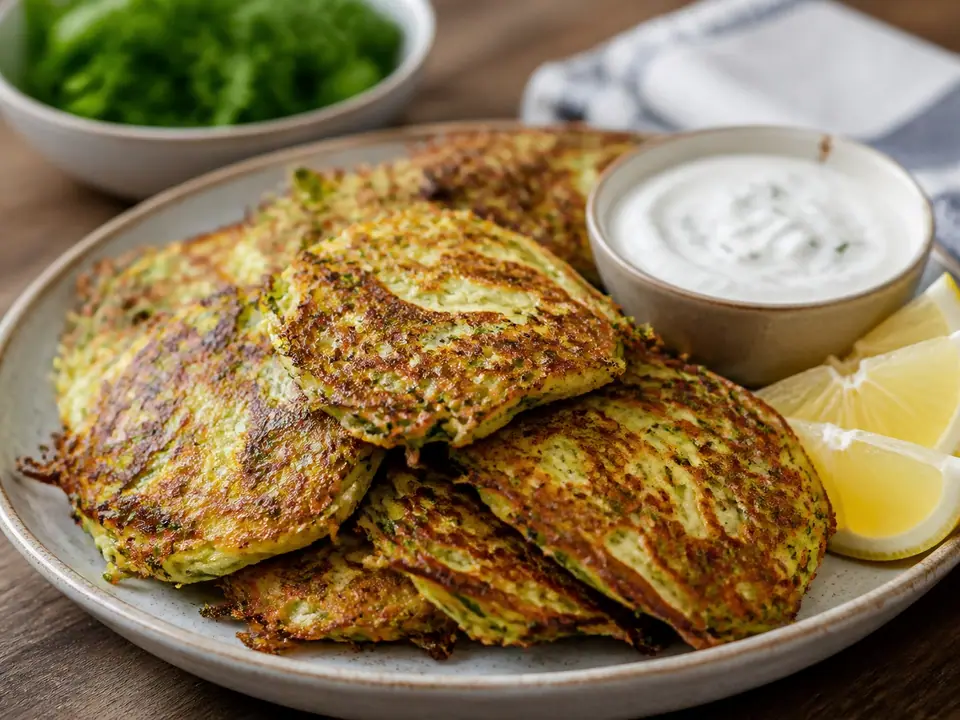
Zucchini fritters that actually hold together
Grated zucchini holds an astonishing amount of water. Get it out and you have crisp fritters; leave it in and you have green pancakes.
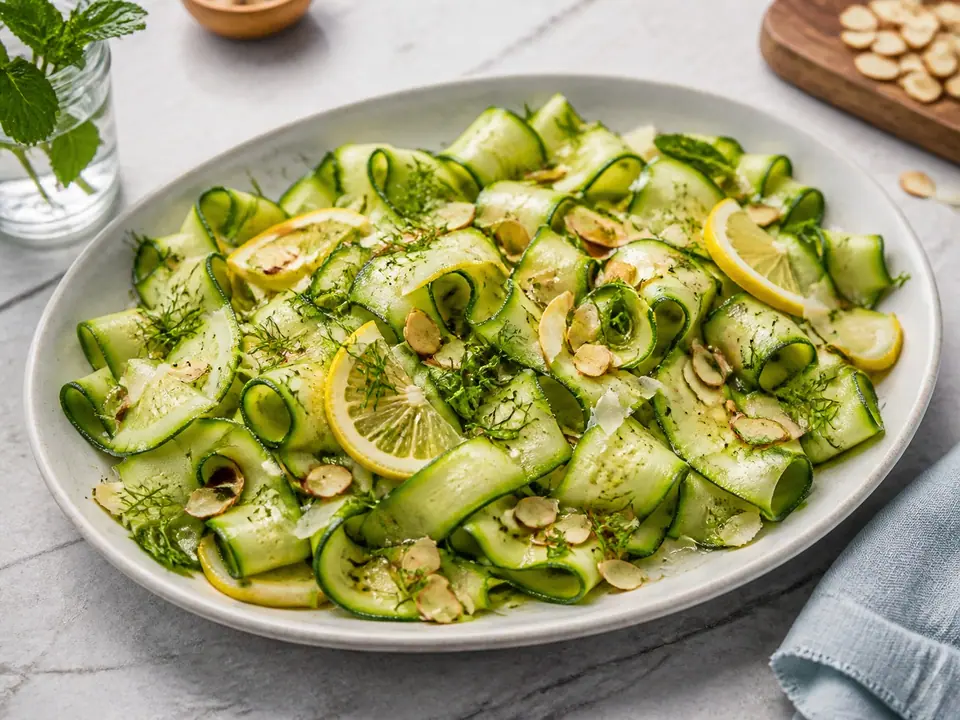
Zucchini ribbon salad with lemon
Raw zucchini is better than its reputation, but only if you shave it thin and give the salt ten minutes to work.
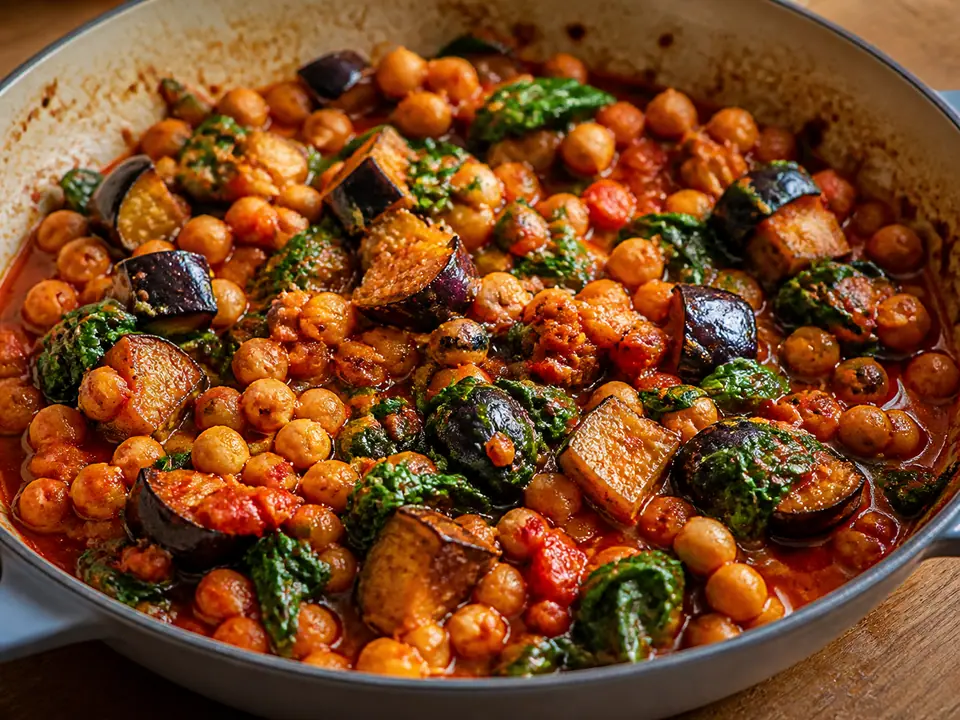
Harissa aubergine with chickpeas for a one-pan dinner
Add tomatoes for moisture, chickpeas for substance and spinach at the end, so the whole dinner still comes from one pan.
More guides
All guides →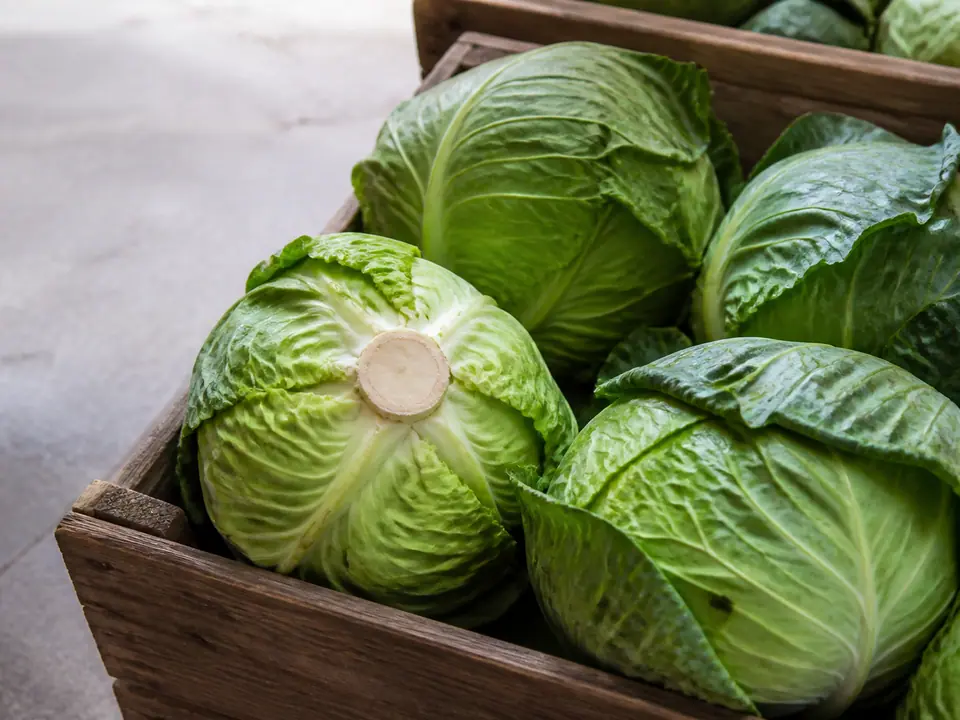
How to choose a cabbage that will stay crisp
A crisp cabbage feels dense, has tightly packed leaves and a dry cut base. The shop test takes less time than rescuing a wilted half later.
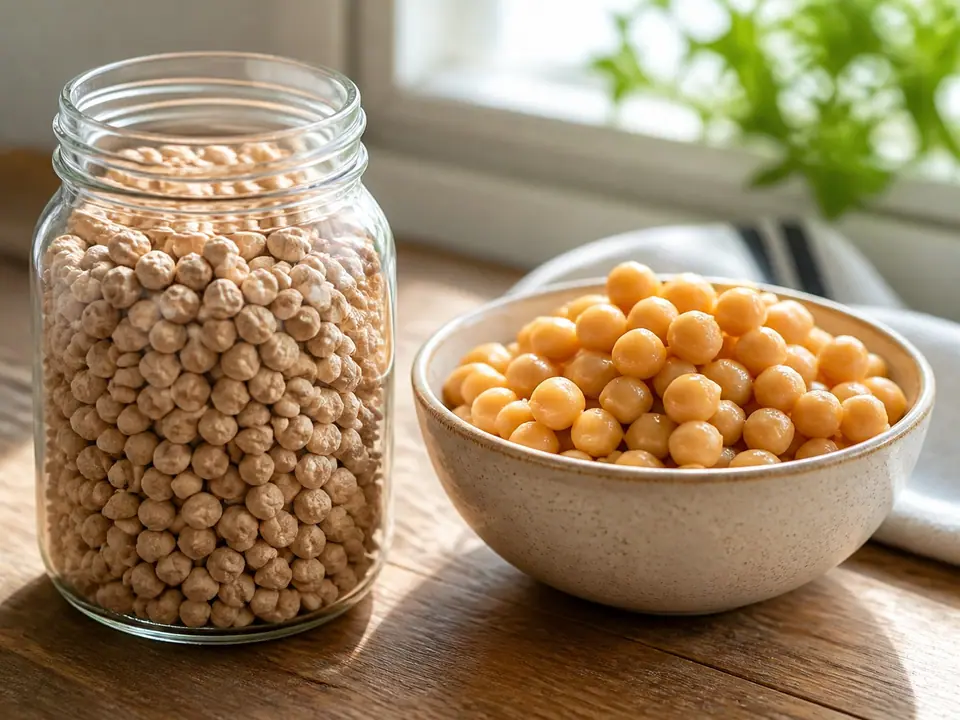
Tinned or dried chickpeas: which should you buy?
Dried are about a quarter of the price and hold their shape better. Tinned take four minutes. The honest answer is that you want both.
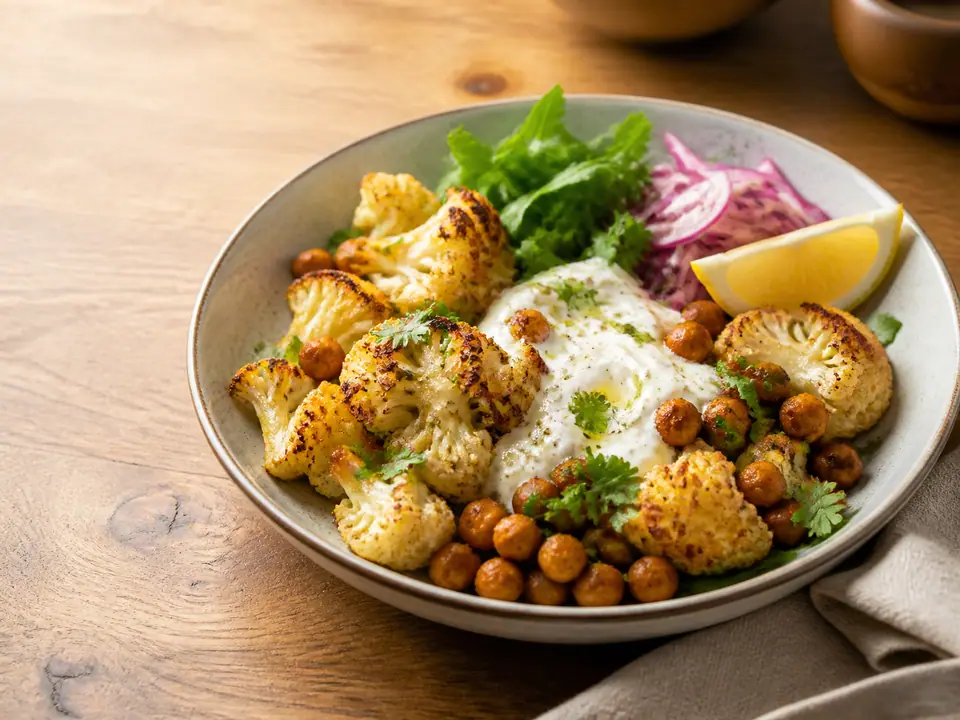
5 ways to turn cauliflower into dinner
Cauliflower becomes dinner when you give it a browned surface, a filling partner and a finish with contrast. Here are five routes from one head.