The orange loses, and it is not close
A raw red bell pepper carries about two and a half times the vitamin C of an orange, gram for gram. Here is the data and the caveat that matters.

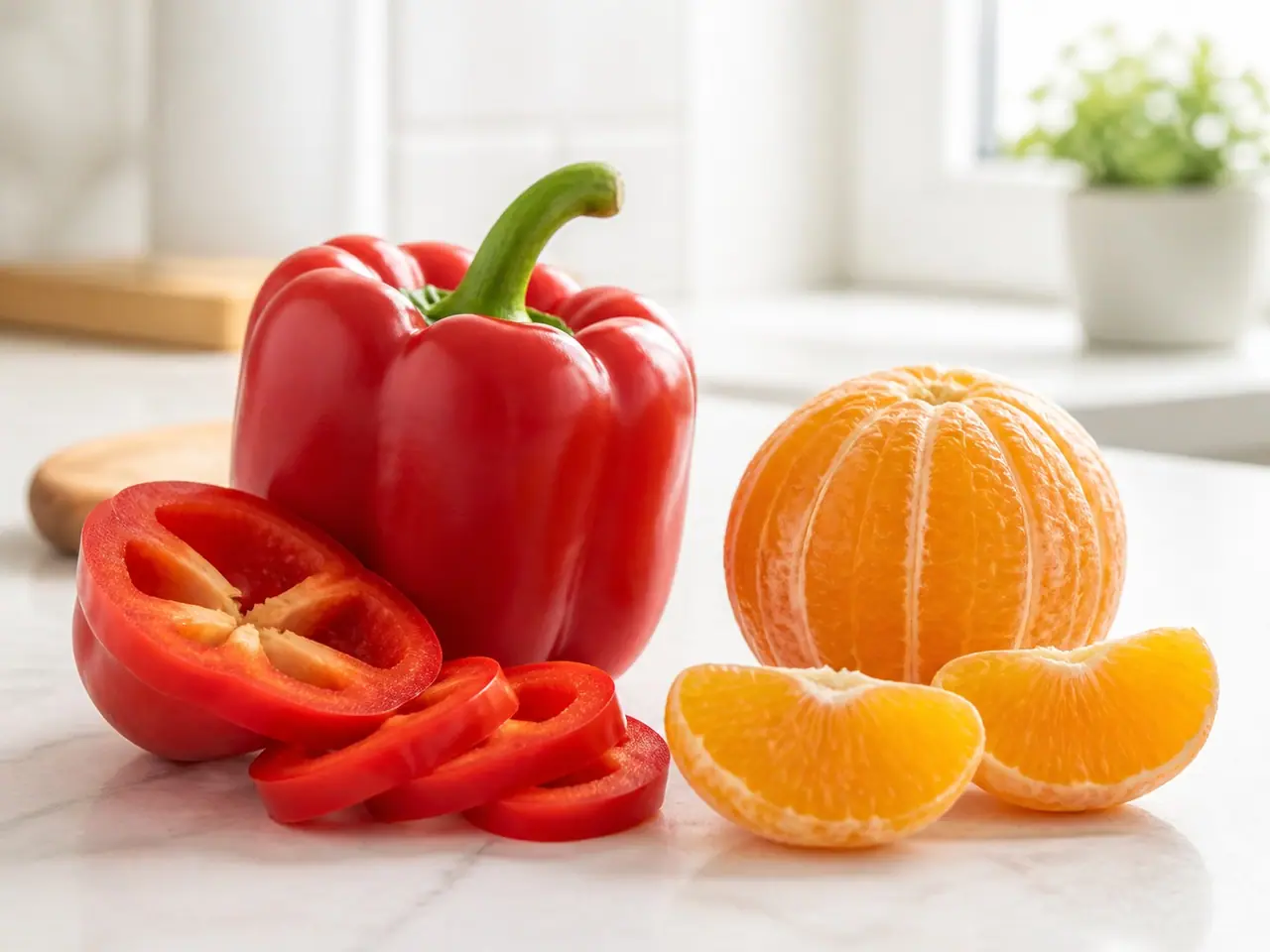
Oranges have been shorthand for vitamin C for so long that almost nobody checks.
The number is not close. A raw red bell pepper carries roughly two and a half times as much vitamin C as an orange, gram for gram, and the pepper is not even the highest thing in the average supermarket. This is one of those facts that sounds like a myth being busted for engagement, so the whole comparison is below with the USDA record behind every figure.
Vitamin C, per 100 g raw
Same weight, same state, straight from the USDA database.
Red bell pepper
127.7
mg per 100 g
✓ More per 100 g
Orange
53.2
mg per 100 g
The pepper carries 2.4 times the vitamin C. Against the EU reference intake of 80 mg, 100 g of raw red pepper is about 160% of a day; the same weight of orange is about 66%.
Source: USDA FoodData Central
The caveat: nobody eats 100 g of pepper raw
Per 100 g is the fair comparison, but it is not how either gets eaten. A medium orange is about 130 g of flesh, so roughly 69 mg. A medium red pepper is about 120 g, so roughly 153 mg — but only if you eat it raw.
Vitamin C is water-soluble and heat-sensitive. Roasting a pepper costs a large share of it, and boiling costs more, much of it leaching into the water. The orange has an advantage the numbers do not show: nobody cooks it.
| Food | Vitamin C | % of 80 mg RI |
|---|---|---|
| Red bell pepper | 127.7 mg | 160% |
| Kiwi | 92.7 mg | 116% |
| Green bell pepper | 80.4 mg | 101% |
| Strawberry | 58.8 mg | 74% |
| Orange | 53.2 mg | 66% |
| Lemon | 53.0 mg | 66% |
Source: USDA FoodData Central
Why the pepper is higher at all
A green pepper is an unripe red one. Left on the plant it turns yellow, then orange, then red, and its vitamin C climbs the whole time as the fruit matures.
Citrus does not work that way. An orange reaches its peak vitamin C on the tree and then holds roughly steady, so the number you buy is close to the number the fruit finished with. Peppers are still accumulating right up to the moment someone picks them, which is also why a fully red one costs more: it occupied the plant for several weeks longer and bruises more easily on the way to the shop.
What cooking costs you
Vitamin C is water soluble and heat sensitive, which is a bad combination.
Boiling is the worst case, because the vitamin leaches into water most people pour down the sink. Roasting keeps more of it, stir-frying more again, and eating the thing raw keeps essentially all of it. This is the orange’s quiet advantage in real life: nobody roasts an orange, so the number on the label is close to the number that reaches you.
Per portion, not per 100 g
Per 100 g is the fair laboratory comparison and it is not how anyone eats.
A medium orange is around 130 g of flesh, so roughly 69 mg. A medium red pepper is around 120 g, so roughly 153 mg raw. Both clear the 80 mg EU reference intake for an adult in a single serving, comfortably, and that is the part worth carrying away from all of this. The gap between them is real and it does not change what either of them does for you.
What to do with this
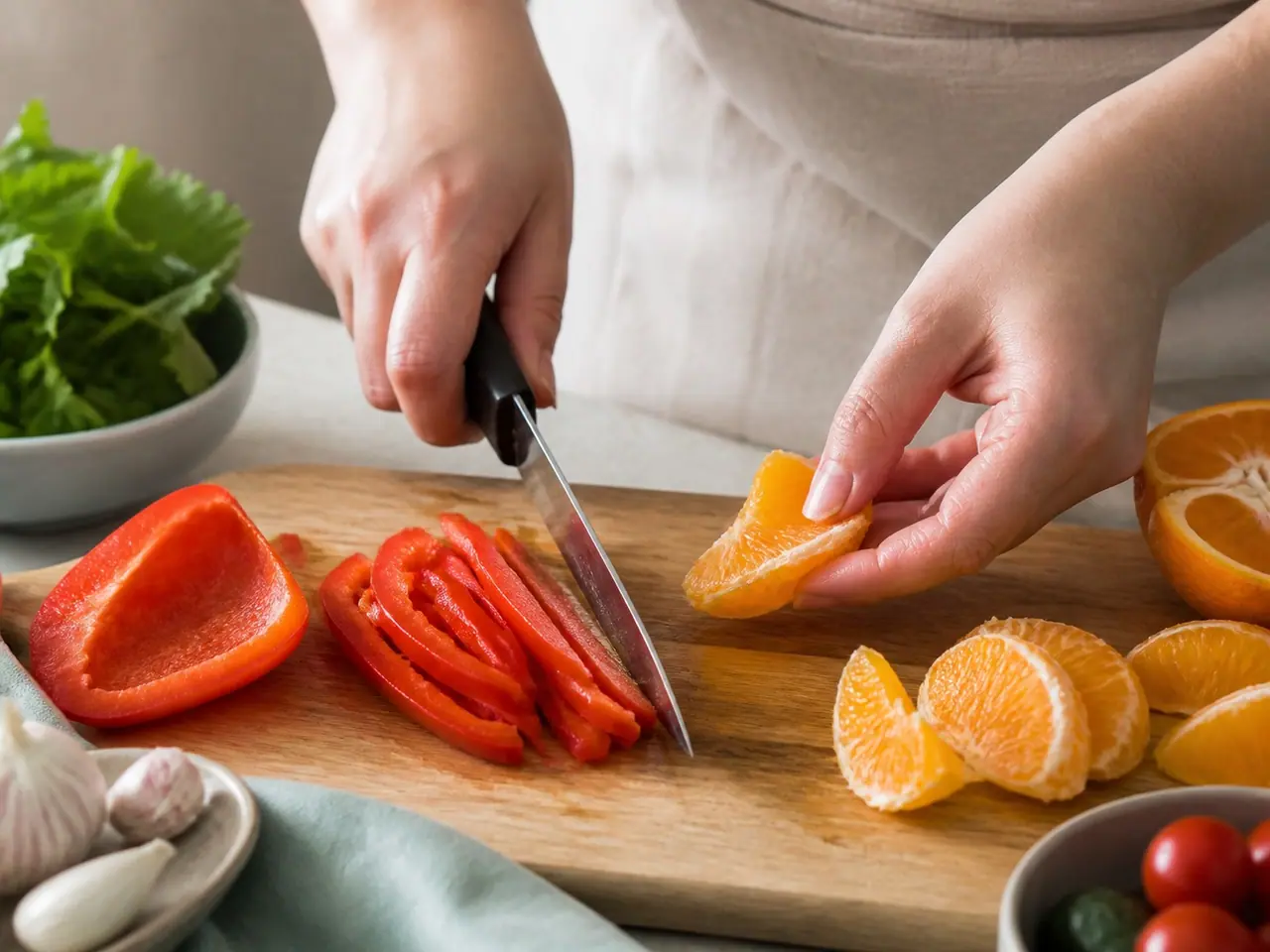
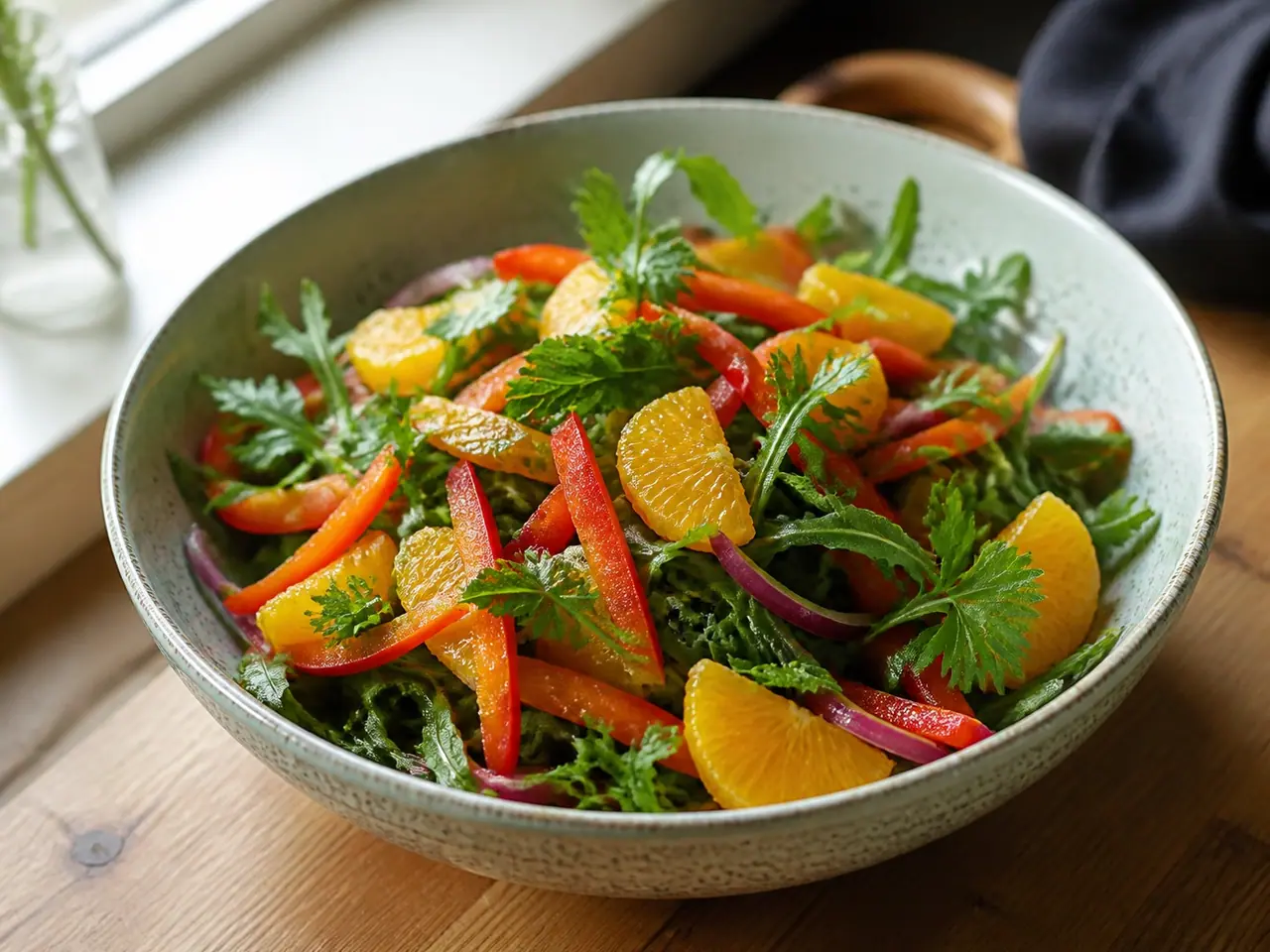
Nothing dramatic. Vitamin C deficiency is rare on any normal diet, and there is no evidence that pushing well past the reference intake does anything useful. The practical version is smaller: if you were going to slice a pepper into a salad anyway, you were already ahead.
Everything else in the shop, ranked
Vitamin C per 100 g, raw
- Red bell pepper 127.7mg
- Kiwi 92.7mg
- Broccoli, raw 89.2mg
- Green bell pepper 80.4mg
- Strawberry 58.8mg
- Orange 53.2mg
- Cabbage, raw 36.6mg
- Tomato 13.7mg
Source: USDA FoodData Central
Broccoli is the one that surprises people, and it is also the one that loses the most in a pan of boiling water.
Nothing here is a reason to change what you buy. It is a reason to stop thinking of citrus as the only source, and to notice that the vegetables already in your fridge are doing more than you gave them credit for. If you sliced a raw pepper into a salad this week, you were already ahead of the person taking a supplement with a glass of orange juice.
Questions
Does cooking destroy all the vitamin C?
What about green and yellow peppers?
Do I need more than the reference intake?
Does storing peppers lose vitamin C?
Where do these numbers come from?
More guides
All guides →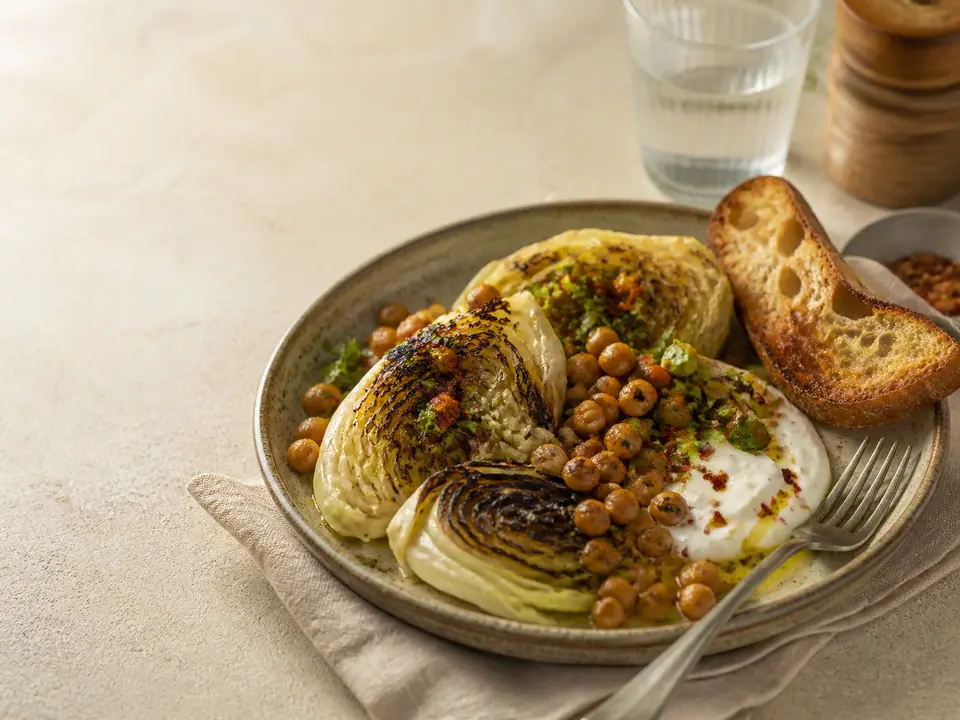
5 cabbage dinners that are not boiled cabbage
A cabbage head can become a roast wedge, a noodle-like skillet, a bean dinner, a chicken tray and a crisp topping without a pot of boiling water.
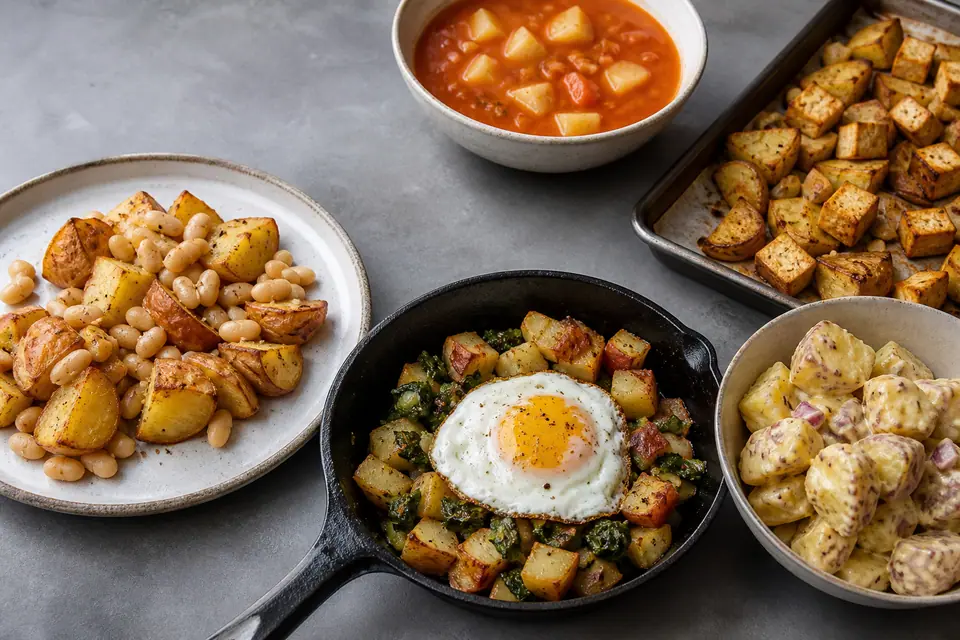
5 dinners that start with potatoes
Potatoes can start a dinner in five directions: roasted with beans, folded into eggs, simmered into soup, crisped for a bowl or dressed as a warm salad.
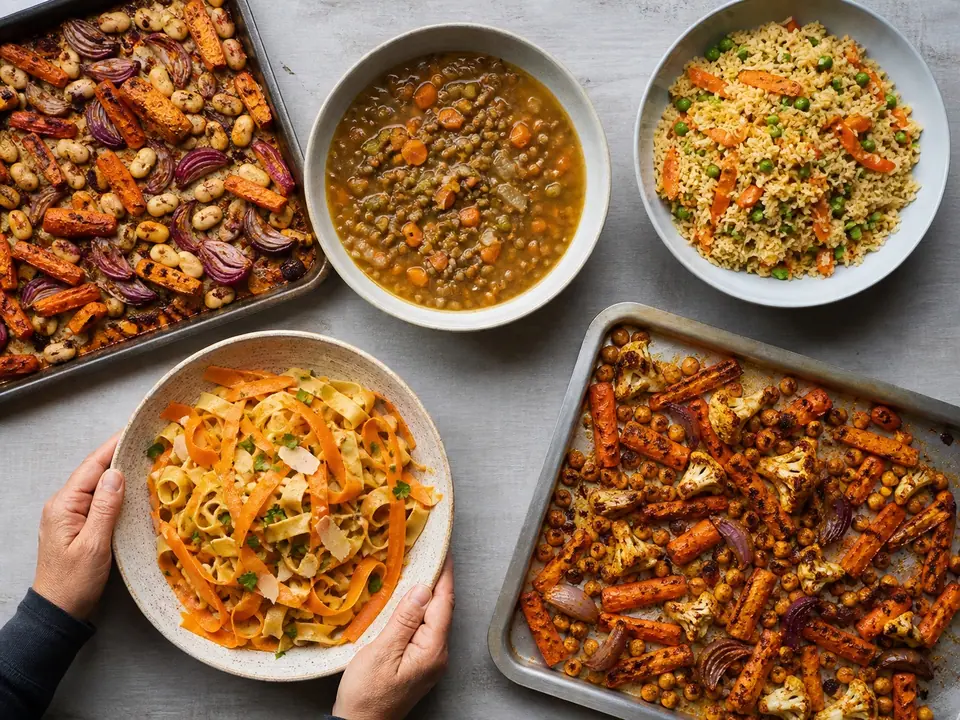
5 dinners for a bag of carrots
Roast carrots with beans, blend them into lentil soup, fry them with rice, fold them through pasta or build a spiced traybake around them.