Gochujang chicken with cabbage with crispy beans
youryum.com/recipes/gochujang-chicken-with-cabbage-with-crispy-beans · serves 4
Chicken, cabbage and beans with proper crunch
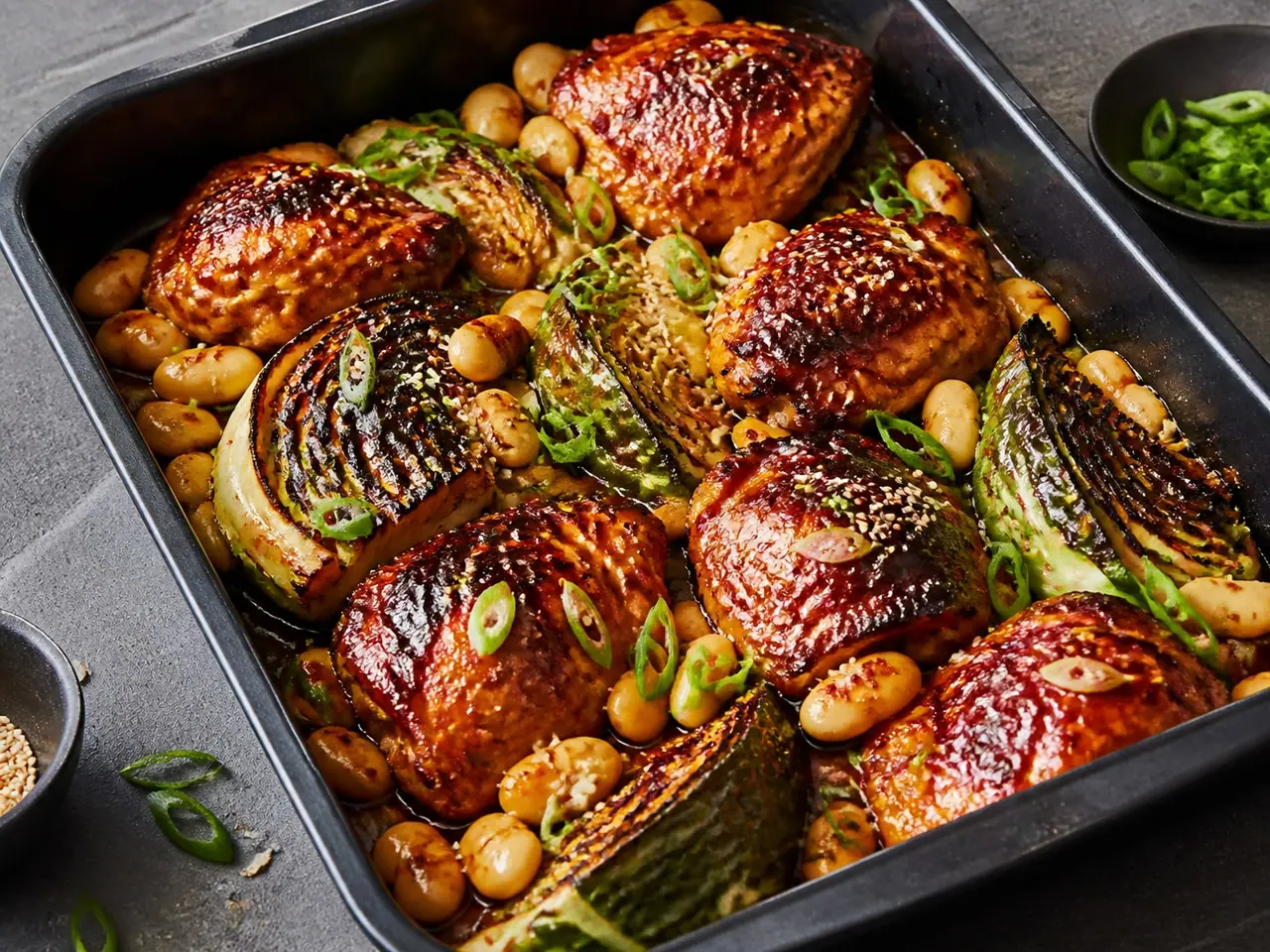
Crisp butter beans bring a creamy centre and crackly edges to gochujang chicken and sweet roasted cabbage.
- Gluten free
- High protein

- Prep
- 15 min
- Cook
- 35 min
- Total
- 50 min
- Serves
- 4
- Per serving
- 532kcal
- Effort
- Easy
There is a point where chicken and cabbage need a third texture. Crisp butter beans do the job: the centres stay creamy, the skins blister, and the gochujang glaze can catch on every rough edge.
Dry the beans properly before they hit the oven. They are not meant to become brittle; they just need enough heat to make a thin crust while the cabbage softens beside them.
Ingredients
Chicken and cabbage
Crispy beans
Sauce
Equipment
- Wide frying pan with lid
- Roasting tin
- Small bowl
Method
-
Heat the oven
Heat the oven to 220°C fan and put a large roasting tin inside. A hot tin gives the beans and cabbage a head start instead of making them sit in oil while the metal warms.
-
Dry and coat the beans
Pat the butter beans very dry. Toss them with the sesame oil, cornflour and salt. The cornflour is a thin dusting, not a batter; if it clumps, your beans are still wet.
-
Start the cabbage and beans
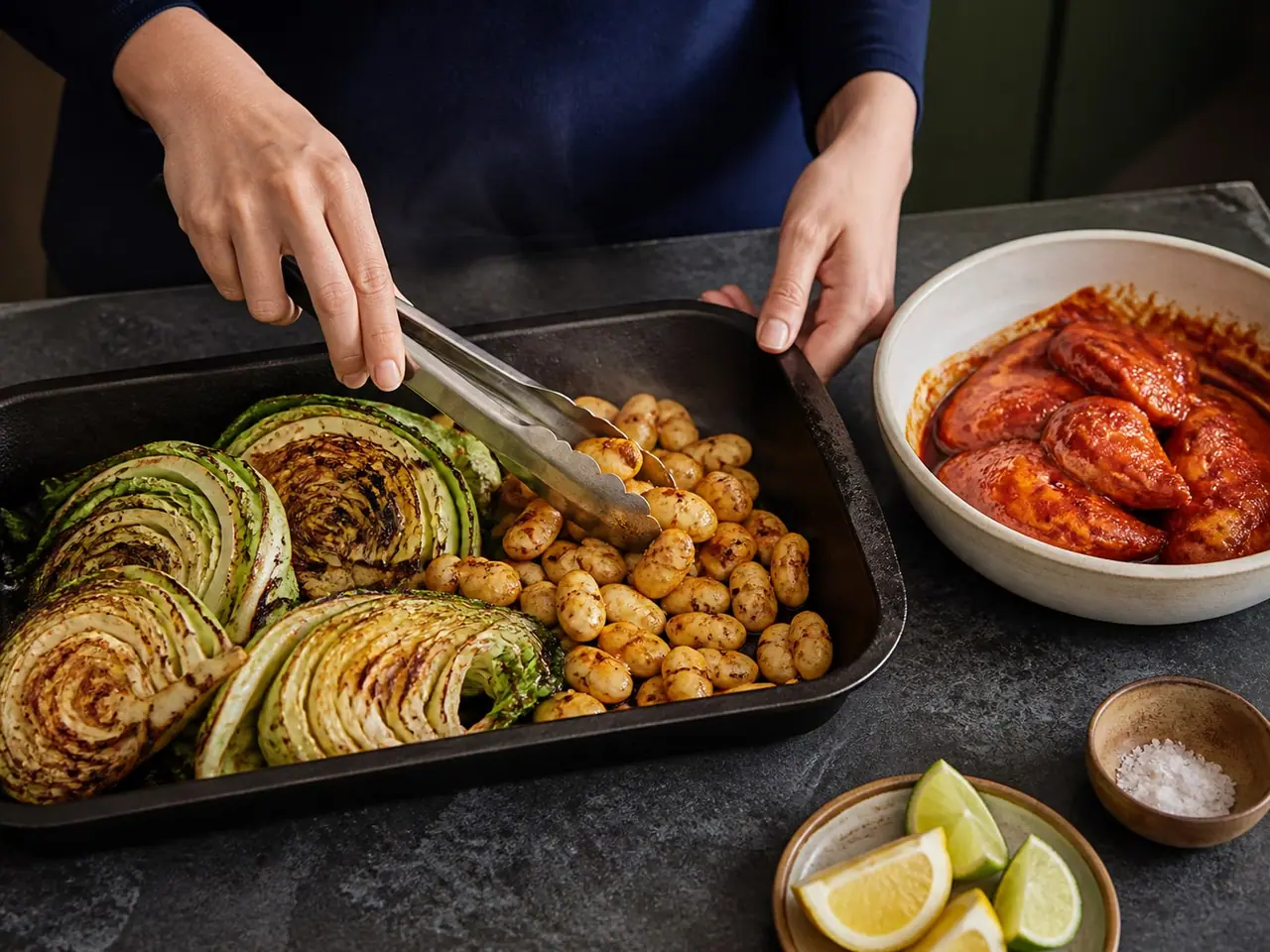
Carefully tip the hot tin onto the hob or a heatproof surface. Add the cabbage wedges and beans with one tablespoon of oil, turning everything with tongs. Roast for 18 minutes, turning the beans once.
Watch the surface here rather than the clock. The cabbage should pick up dark edges, the chicken should look lacquered, and the liquid should move slowly when you tilt the pan. If the paste looks dry before those signs appear, add a spoonful of stock. If it looks loose after the chicken is done, lift the food out and reduce the liquid alone for a minute. The crispy butter beans finish works best when the base is concentrated but still easy to spoon.
-
Coat the chicken
Mix the gochujang, soy sauce, rice vinegar and remaining oil. Add the chicken and toss until glossy. Push the cabbage to one side of the tin, add the chicken, and roast for 15 minutes.
Watch the surface here rather than the clock. The cabbage should pick up dark edges, the chicken should look lacquered, and the liquid should move slowly when you tilt the pan. If the paste looks dry before those signs appear, add a spoonful of stock. If it looks loose after the chicken is done, lift the food out and reduce the liquid alone for a minute. The crispy butter beans finish works best when the base is concentrated but still easy to spoon.
-
Glaze at the end
Stir the stock and honey together, drizzle it over the chicken, and return the tin for five minutes. The chicken should be cooked through and the beans crisp at their corners. Let the tin stand for three minutes before serving.
-
Keep the crunch
Scatter over the spring onions at the table. Serve with rice, but keep the crispy beans on top rather than stirring them into the sauce.
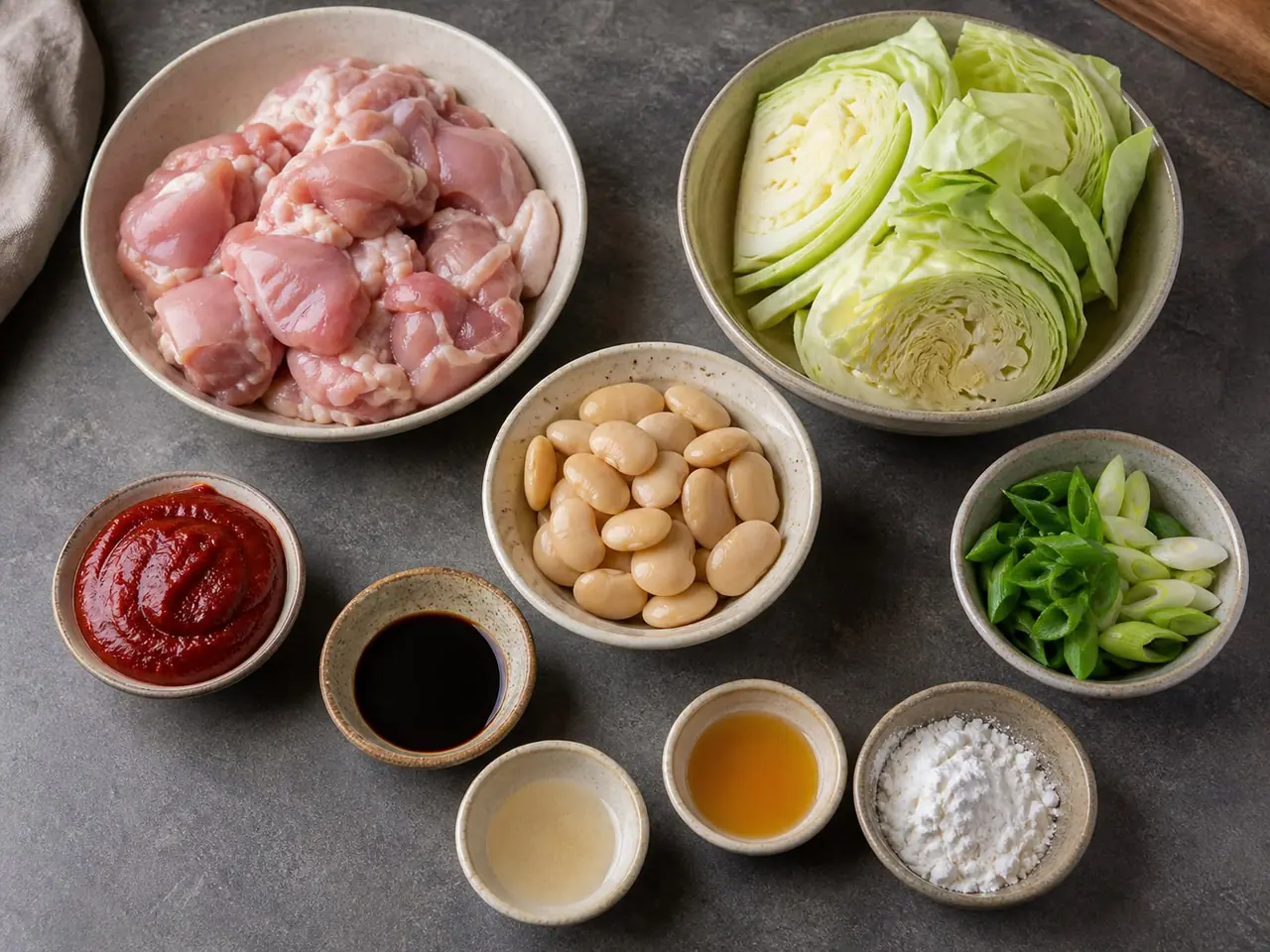
The cabbage is not an afterthought
The tin must be hot before the beans go in. This is the same principle as searing meat: immediate contact with hot metal drives off surface moisture before the food has time to steam.
Gochujang contains sugar, so keep the final glaze short. It should lacquer the chicken; it should not burn onto the tin. The order matters more than the exact shape of the pan. Gochujang contains sugar, so it needs contact with the chicken but it should not sit on dry metal for the whole cooking time. Stock or water gives the paste a little room to move, then the final uncovered minutes concentrate it again. If the chicken browns before the cabbage is tender, lower the heat and add a splash of stock rather than turning the burner higher. A fierce heat will darken the outside while leaving the centre tough. If the cabbage is pale, give it a few extra minutes after the chicken comes out; it can take colour on its own. For the crispy butter beans finish, taste at the end, not the beginning. The pan sauce becomes saltier as it reduces, and toppings such as pickles, tahini or yogurt change how much seasoning the whole plate needs. Serve the first portion, then adjust the remaining pan with lime, vinegar or a spoonful of water. That small pause keeps the glaze lively and means leftovers reheat without becoming sticky or harsh.
Nutrition
Per serving, for 4 servings. Estimated from ingredient weights — it moves with the brands and cuts you actually use.
| Nutrient | Per serving |
|---|---|
| Calories | 532 kcal |
| Protein | 39 g |
| Carbohydrate | 35 g |
| Fibre | 6 g |
| Fat | 22 g |
Source: Estimated from ingredient weights, USDA FoodData Central
Questions
Can I use chickpeas?
Can I make this without cornflour?
What rice goes with it?
Filed under
Cook this next
All recipes →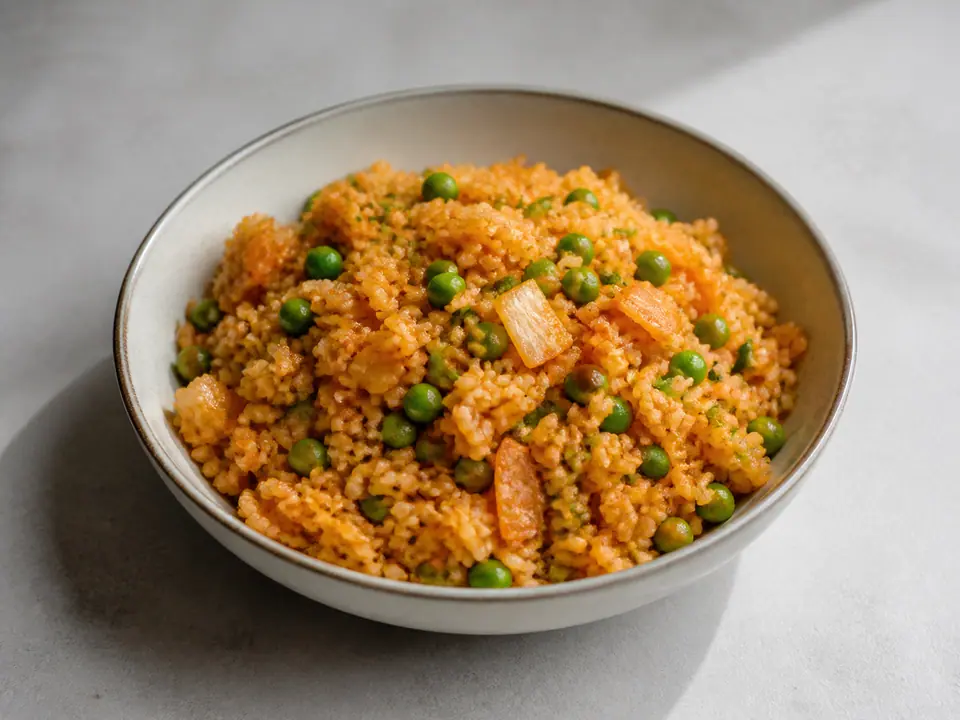
Kimchi fried rice with peas for the freezer
Freeze the kimchi rice in flat portions, then bring back its aroma with sesame oil and spring onions after reheating.
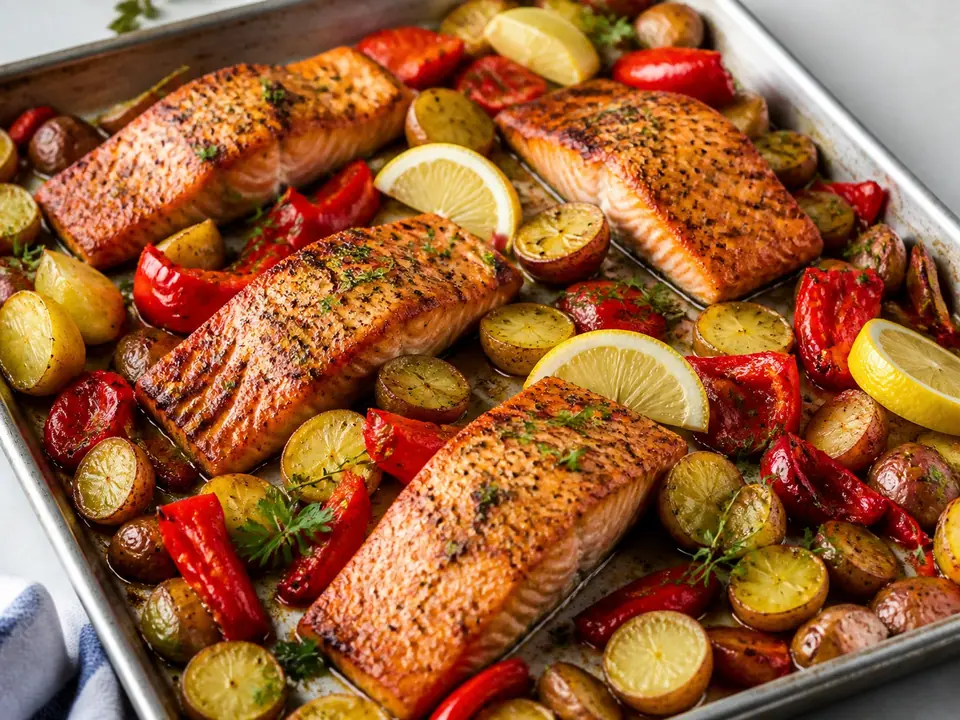
Sheet-pan salmon with peppers and capers
The peppers get a fifteen-minute head start. Put them in at the same time as the fish and one of them will be wrong.
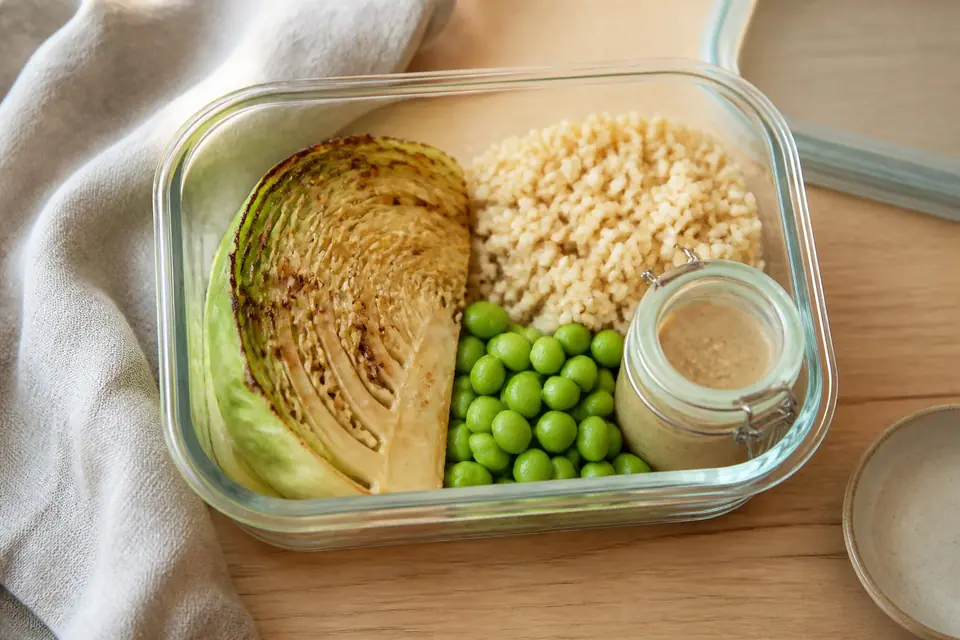
Miso-roasted cabbage for a packed lunch
Roast the cabbage until it can travel without collapsing, then pack it with rice and edamame while the sesame dressing stays separate.