Buying guides
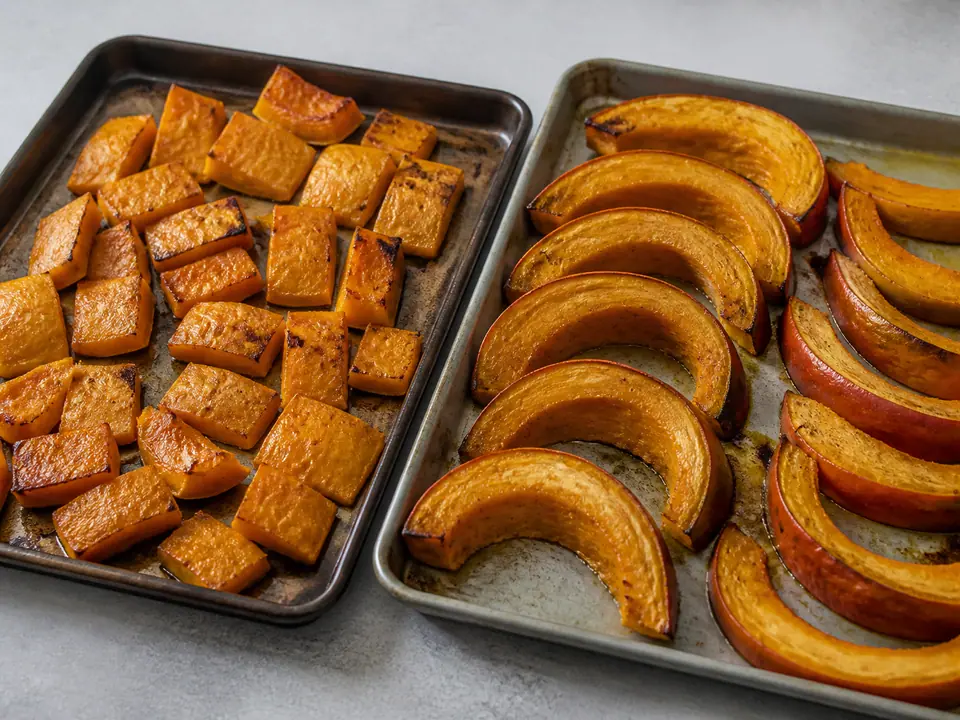
Butternut squash vs pumpkin: which roasts better?
Butternut squash usually roasts more evenly because its flesh is dense and its seed cavity is small. Pumpkin can roast beautifully, but its shape and moisture vary more.
Practical comparisons and buying advice for choosing produce, tins and pantry staples by texture, flavour and value.
Page 4 of 5
Butternut squash usually roasts more evenly because its flesh is dense and its seed cavity is small. Pumpkin can roast beautifully, but its shape and moisture vary more.
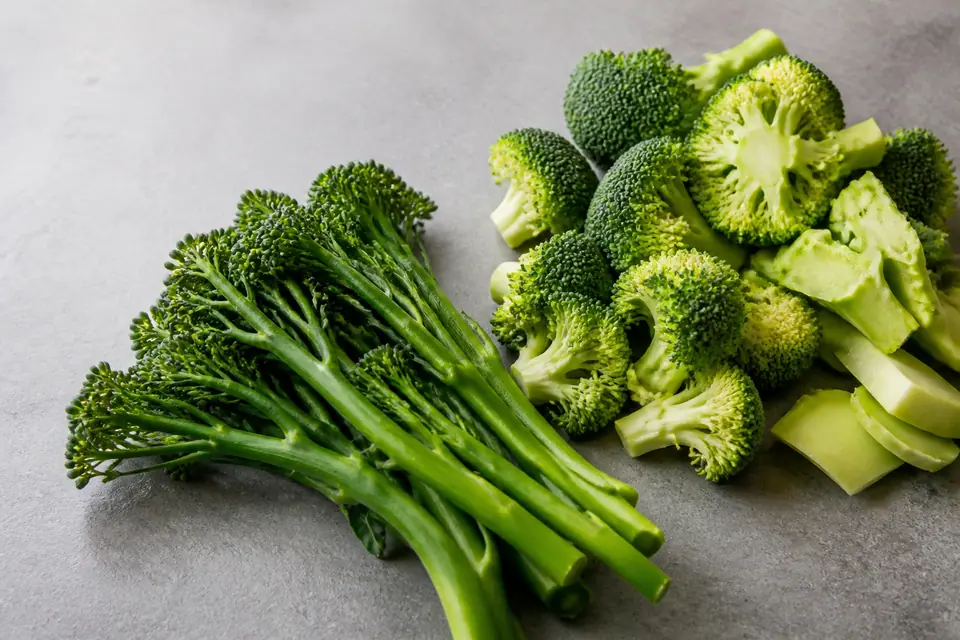
Tenderstem broccoli is not automatically better value. The useful comparison is edible weight, trimming and the kind of dinner you want to put on the table.
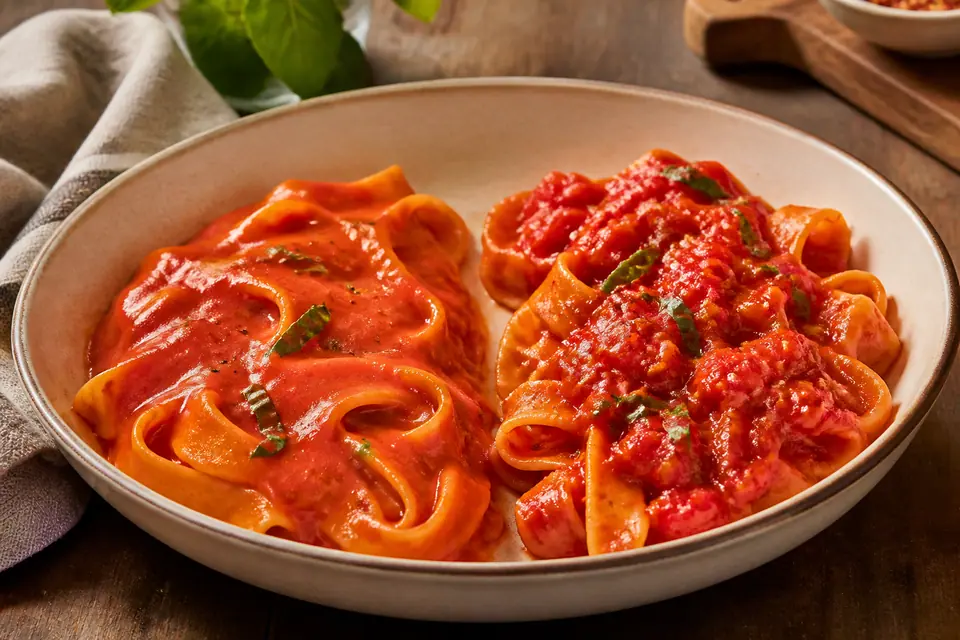
For the smoothest sauce with the least work, choose passata. Choose crushed tomatoes when you want a sauce that can reduce further and still taste full.
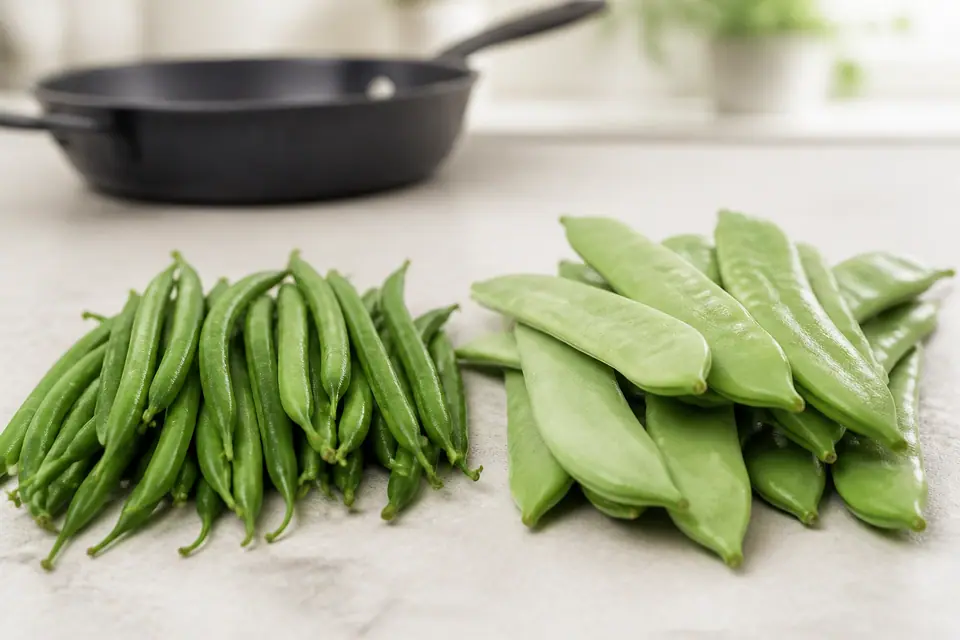
Fine beans are the easier choice for quick, even cooking. Runner beans have more character and a broader texture, but their width means you need to cut and test them carefully.
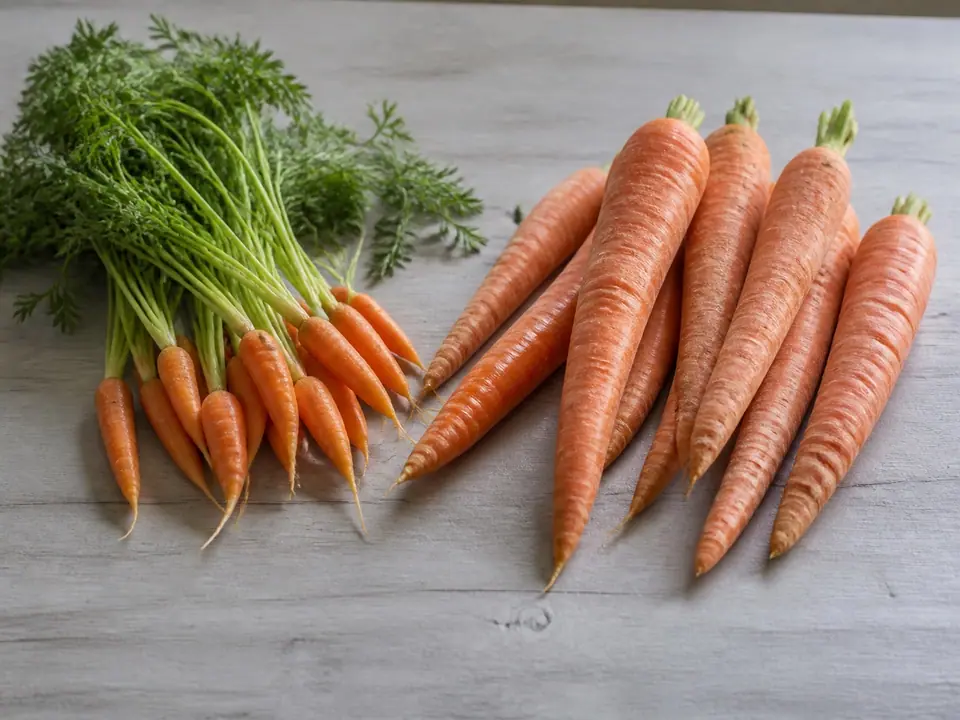
True young carrots are tender and sweet, while supermarket baby carrots are often shaped pieces from larger roots. Full-size carrots give you more control over the cut.
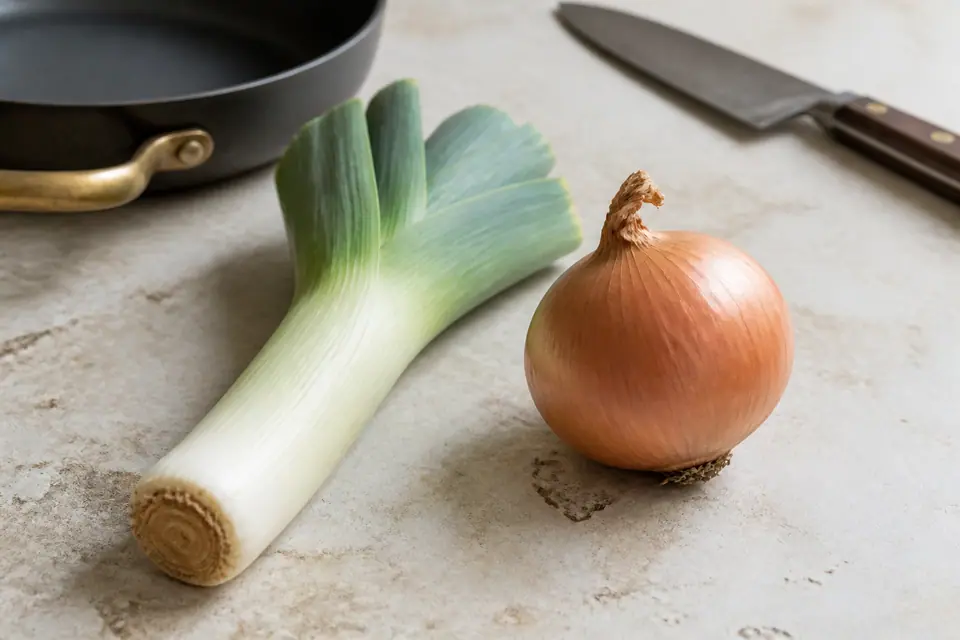
Use onions when you want a strong savoury base; use leeks when you want a tender, sweet allium that can remain visible in the finished dish.
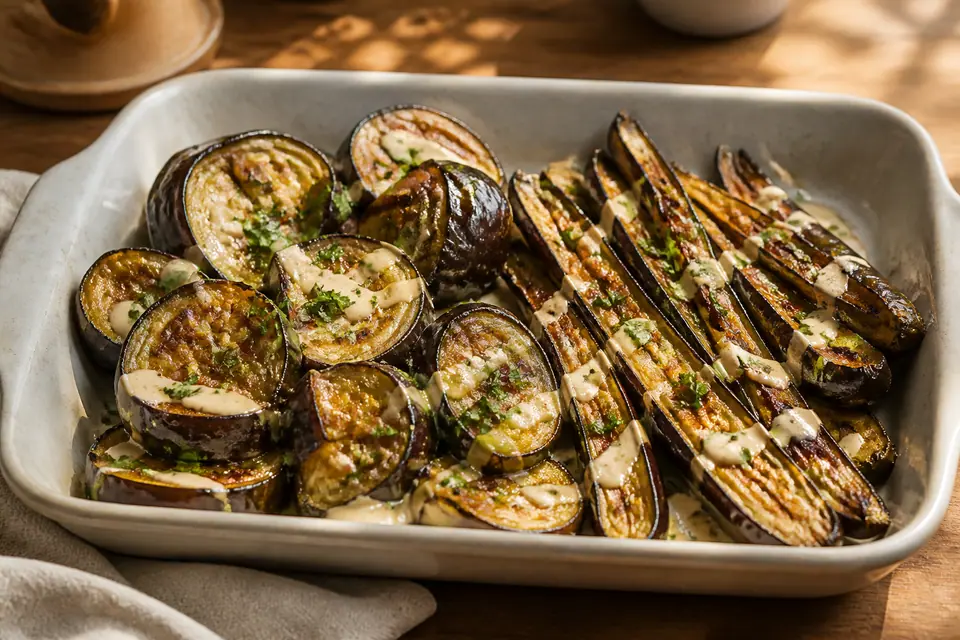
Long aubergines roast with more browned surface and fewer large seeds, while globe aubergines give thick soft flesh for halves and stuffing.
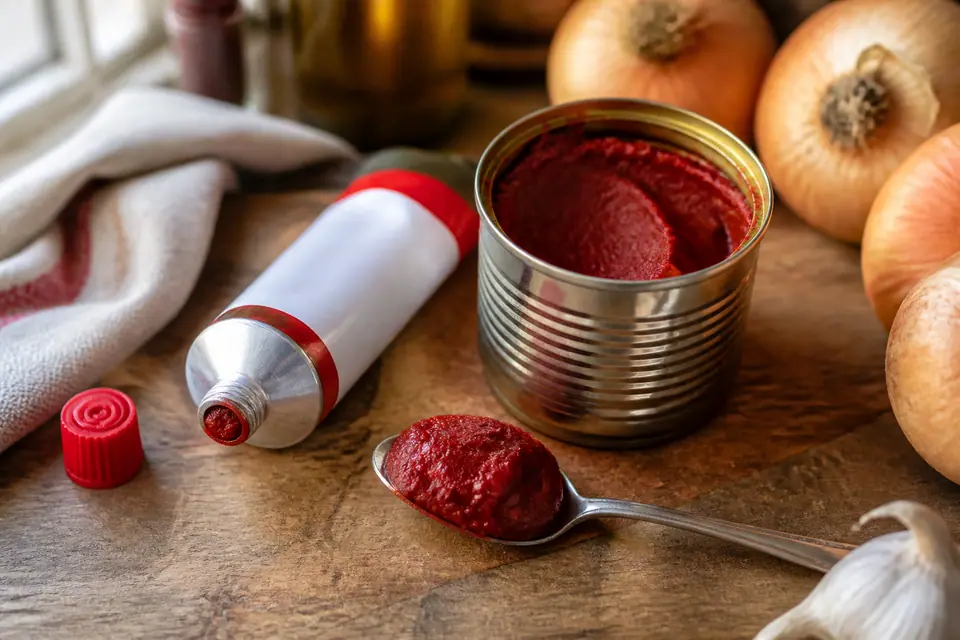
Buy a tube when you use tomato paste a little at a time. Buy a tin when you cook for a crowd or want the lowest cost per spoon.
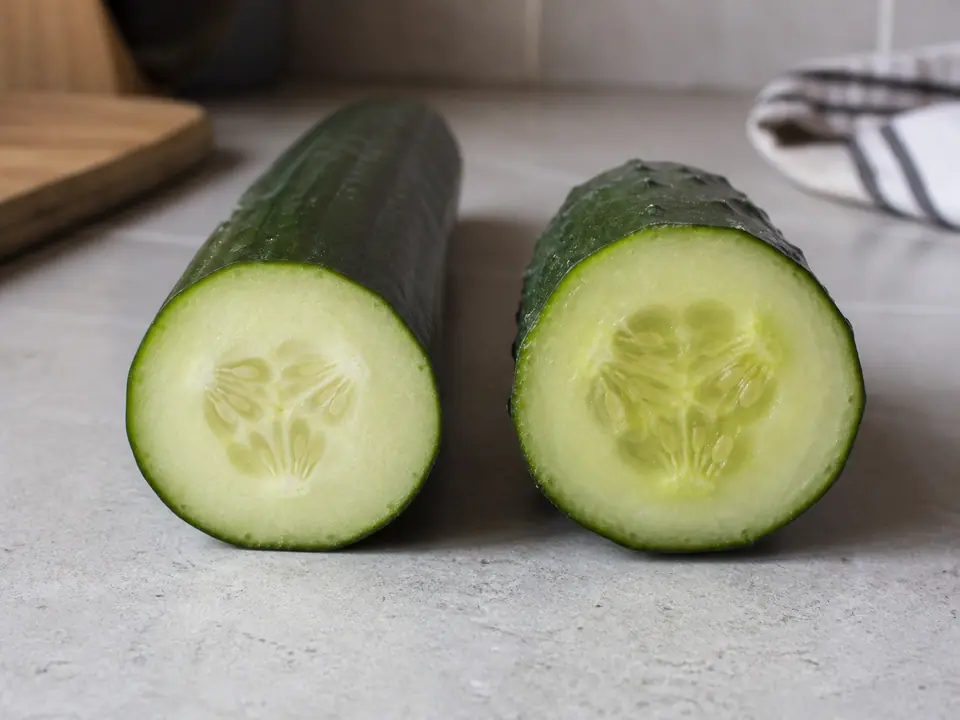
English cucumbers tend to have smaller seeds and a steadier crunch, while salad cucumbers vary more by age. Freshness and firmness still matter most.
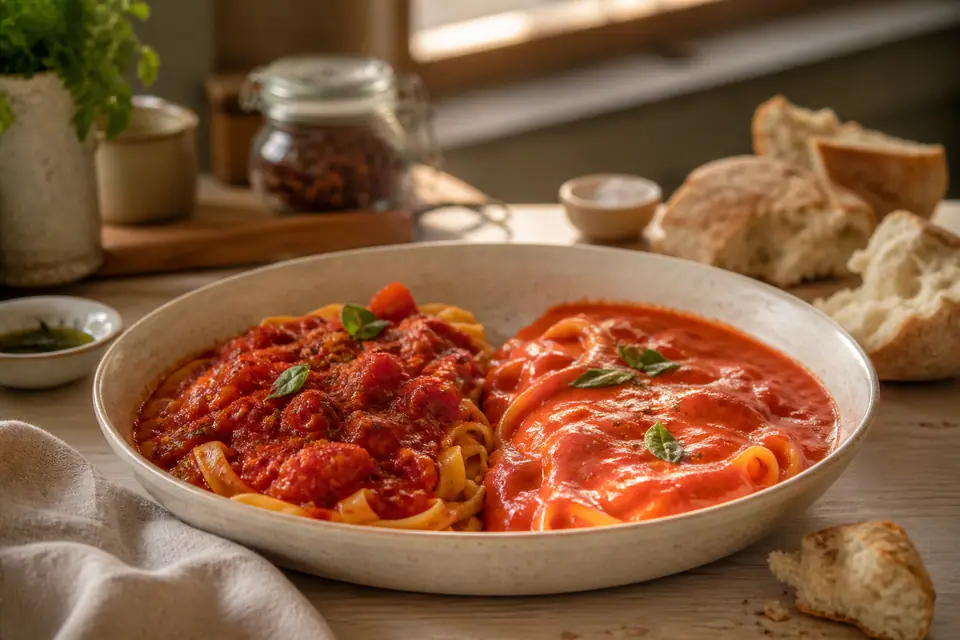
Use tinned tomatoes when the tomato should stay visible. Use passata when you want a smooth sauce with less work. The middle ground is where most pans go wrong.
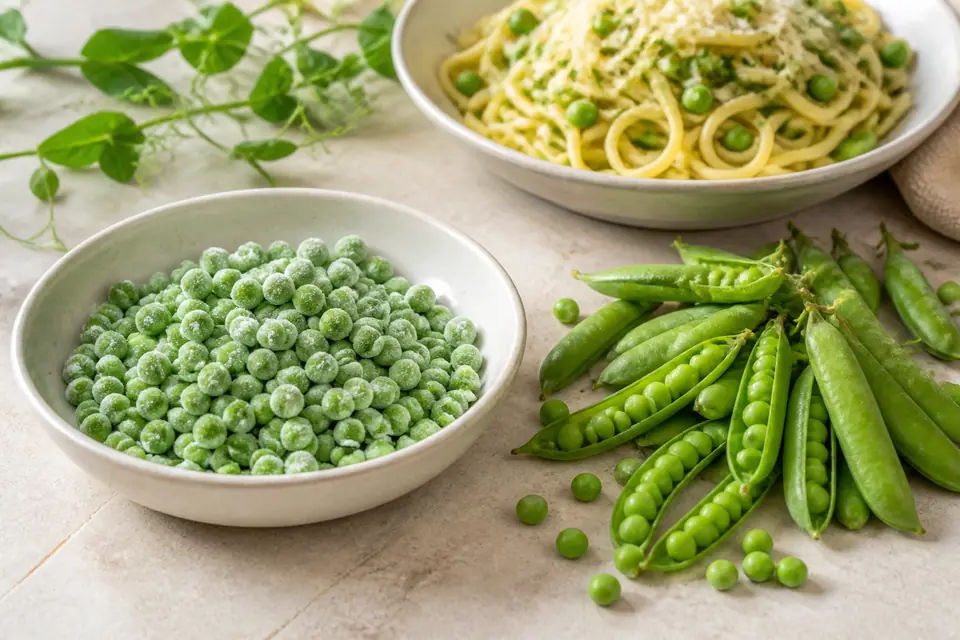
Fresh peas win when they are picked and eaten quickly. For an ordinary supermarket shop, frozen peas are usually sweeter, greener and less starchy.
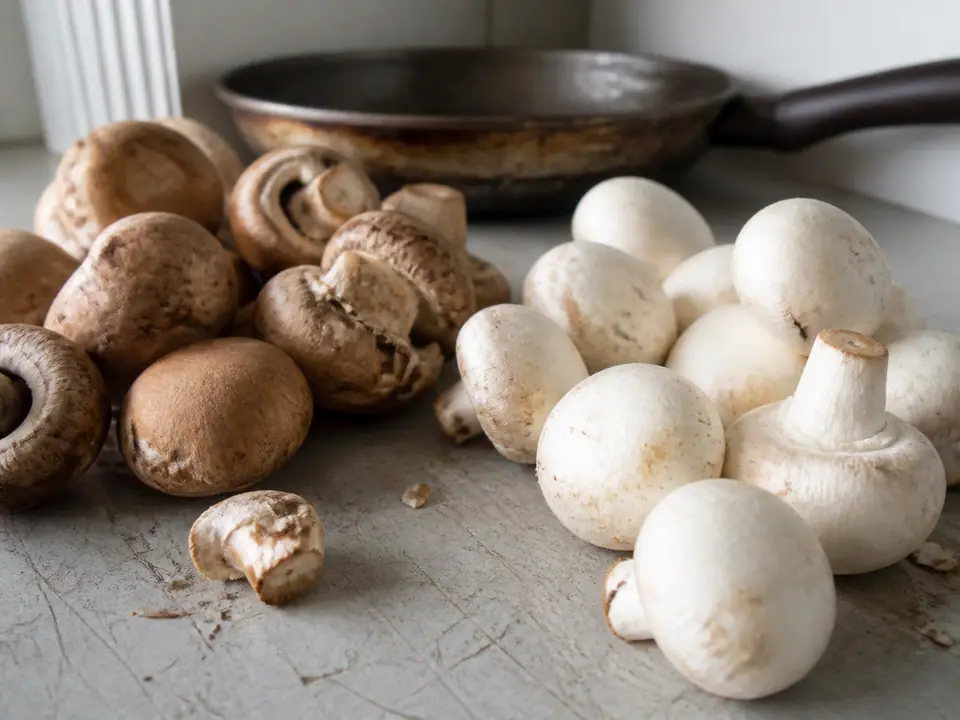
Chestnut mushrooms have a deeper colour and a slightly firmer feel, but both are useful Agaricus mushrooms. The pan, cut and freshness matter more than the name.