Dinner ideas
5 dinners that use the whole broccoli
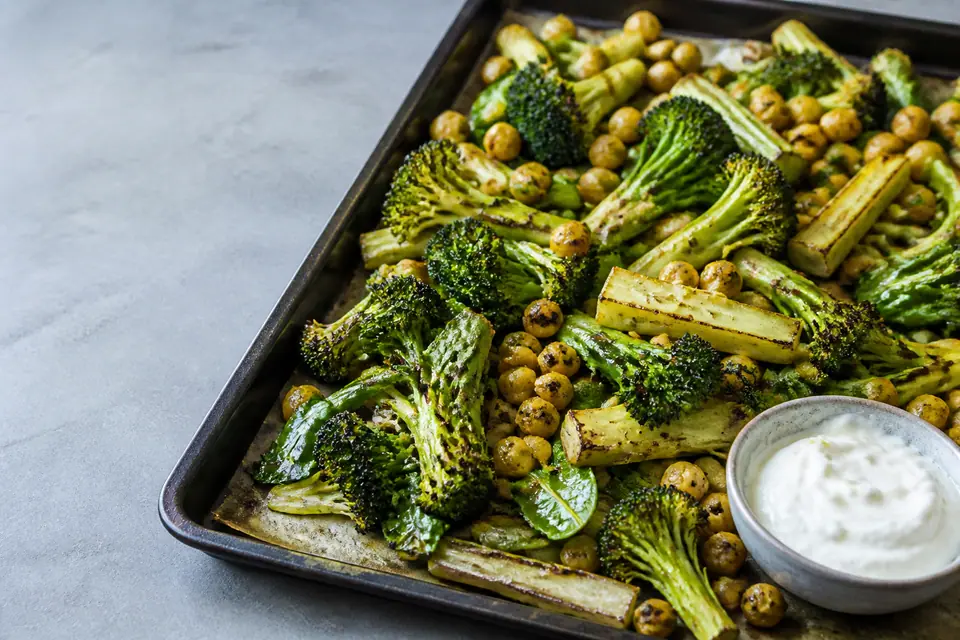
The whole broccoli can become dinner when each part gets the cut and cooking time it needs. These five ideas keep the stalk, leaves and florets in play.
Comparisons, buying guides and the answers to "which one is actually better".
Page 4 of 12
The whole broccoli can become dinner when each part gets the cut and cooking time it needs. These five ideas keep the stalk, leaves and florets in play.
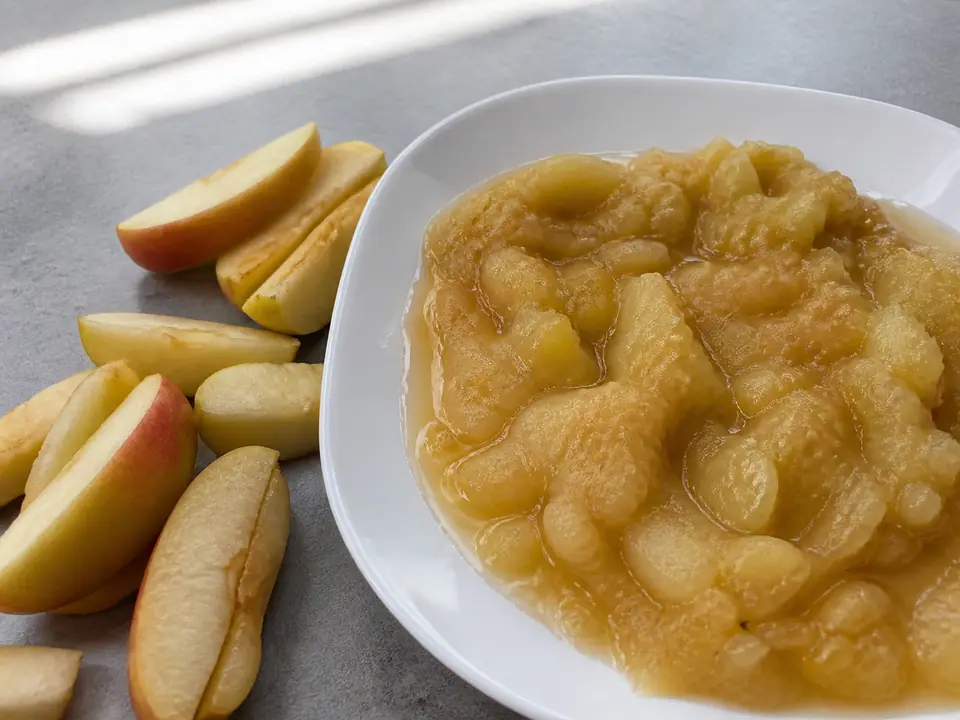
Apples soften at different rates because varieties hold their cell structure differently. Heat, liquid and thin cuts speed collapse, while thicker slices and dry heat preserve shape.
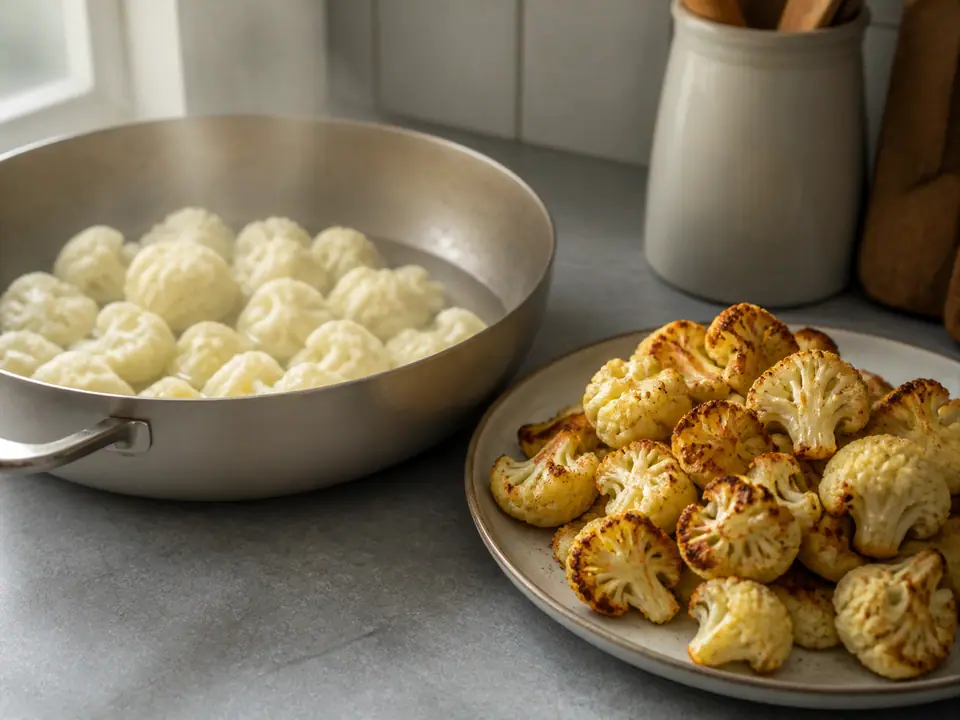
Cauliflower contains sulfur compounds that become more noticeable with prolonged wet cooking. Shorter, hotter cooking keeps the smell quieter and the texture firmer.
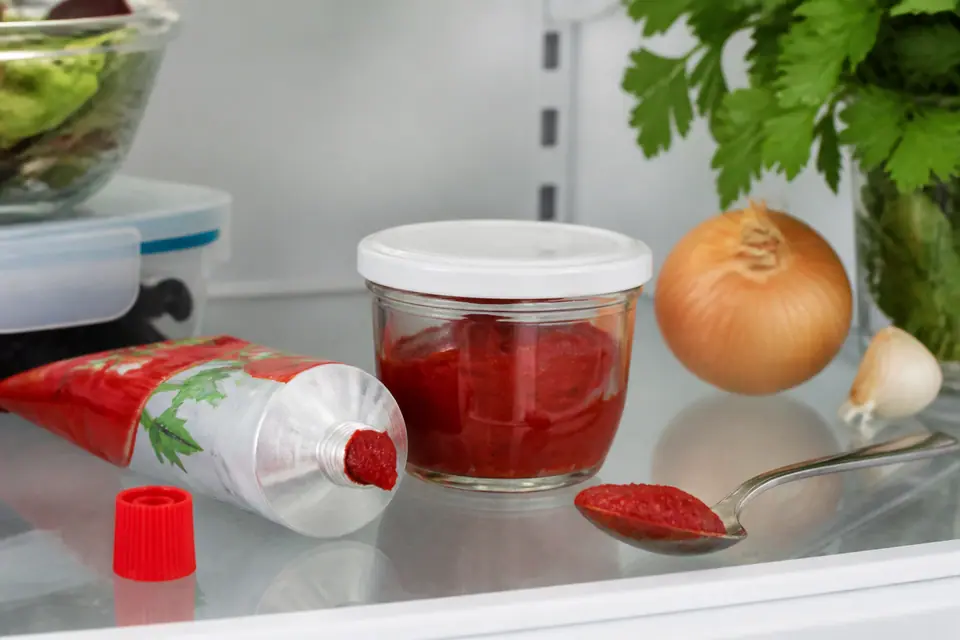
Protect opened tomato paste from air, label it and portion what you will not use soon. A small freezer stash is better than a hopeful fridge corner.
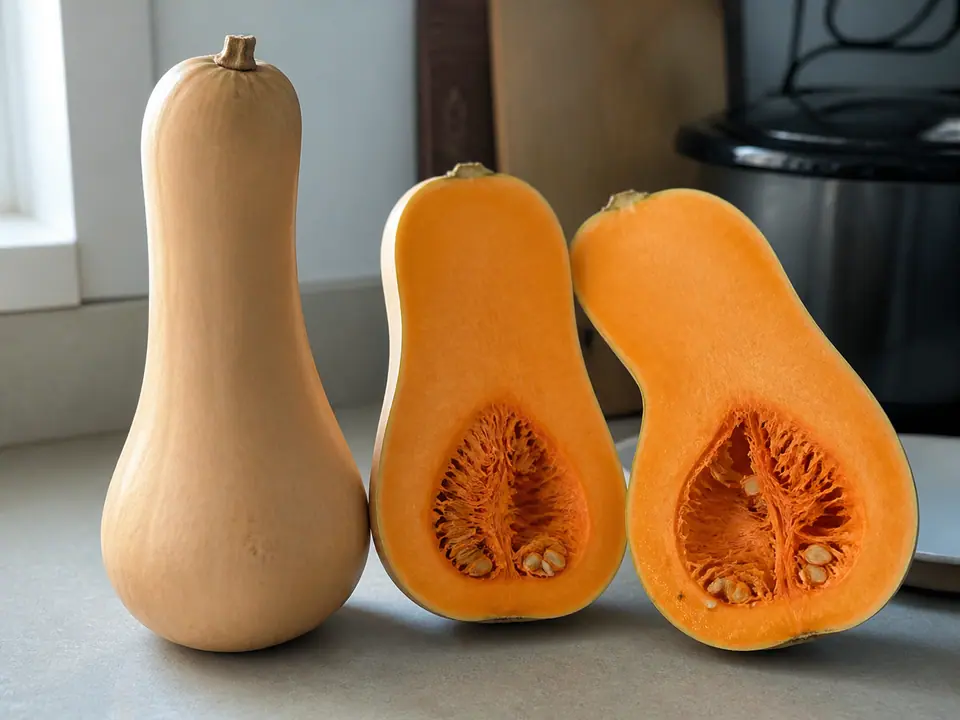
Look for a heavy, well-formed butternut with a long solid neck, firm skin and an intact stem. Avoid soft spots, wet cracks and a hollow light feel.
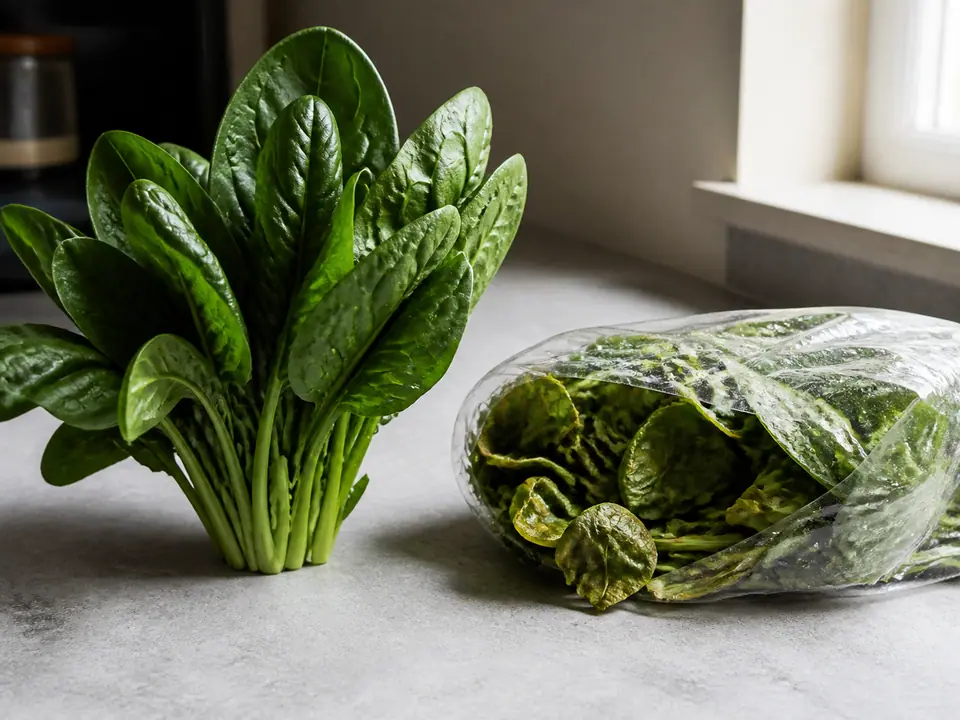
Fresh spinach leaves look green and upright, not yellow, collapsed or wet. Check the centre of the bag, where damage and condensation often hide.
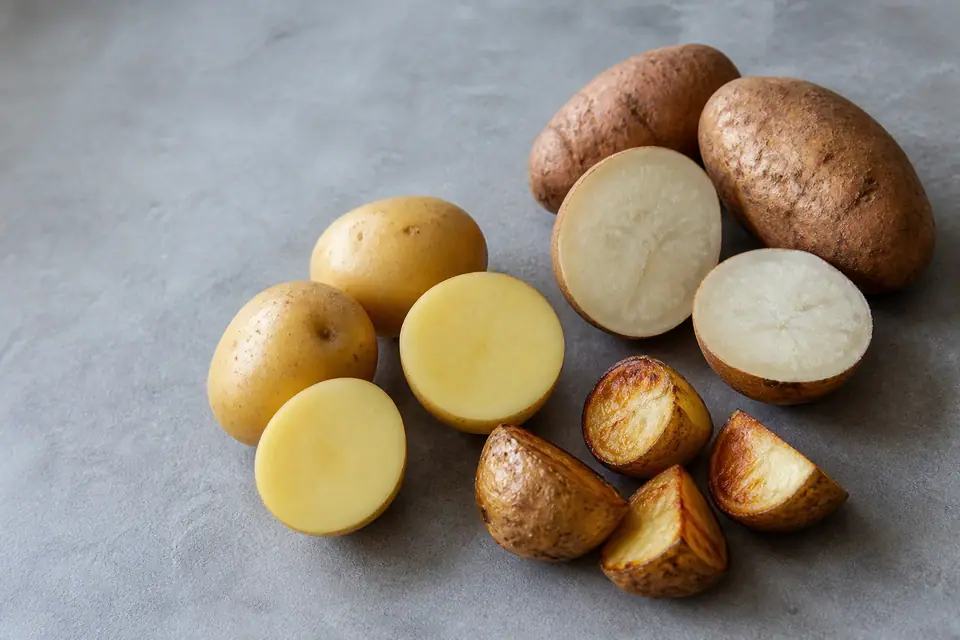
Waxy potatoes stay intact in salads and stews, while floury potatoes turn fluffy in mash and crisp at the edges. The right choice follows the recipe.
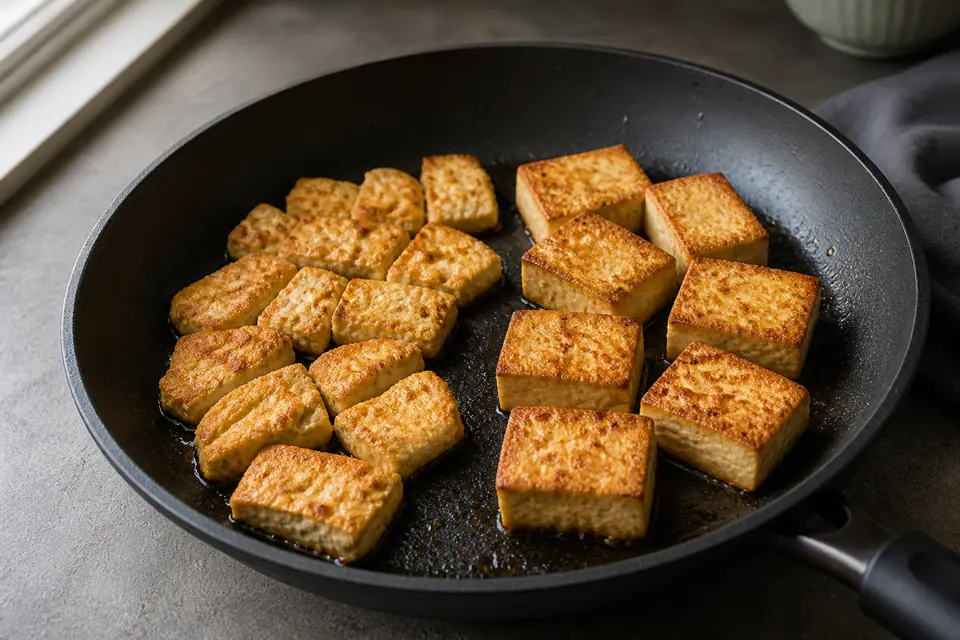
Crispy tofu comes from removing surface water, using a thin starch coating and leaving gaps in the pan. Deep-frying is optional, not the requirement.
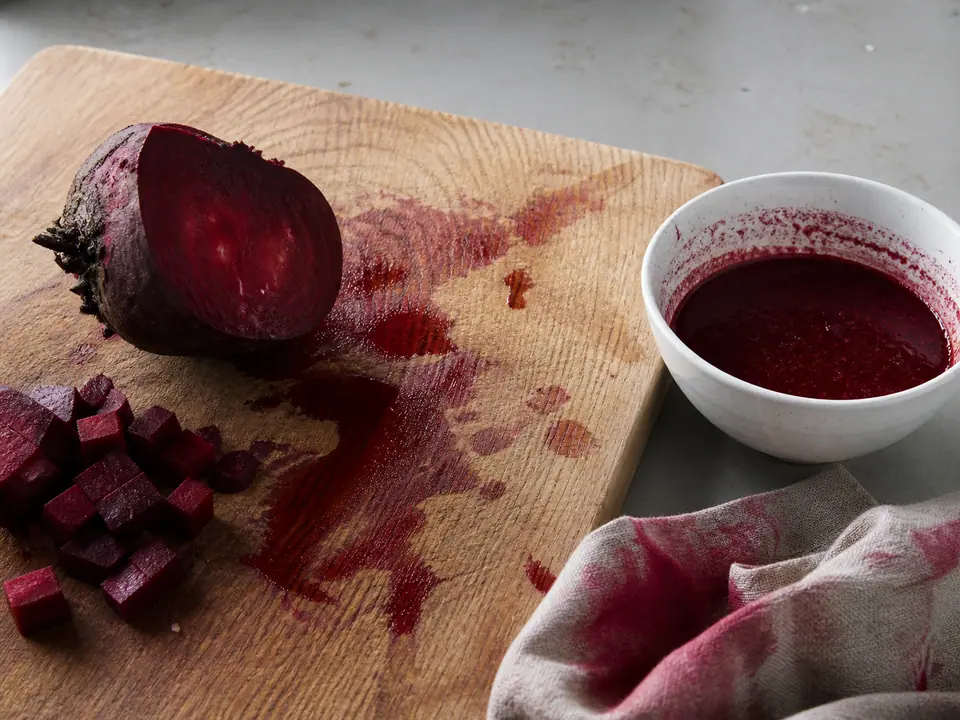
Beetroot’s red-purple pigments are water-soluble enough to travel through juice, dressing and damp hands. The flavour stays earthy, so use acid, salt and creamy partners to give it shape.
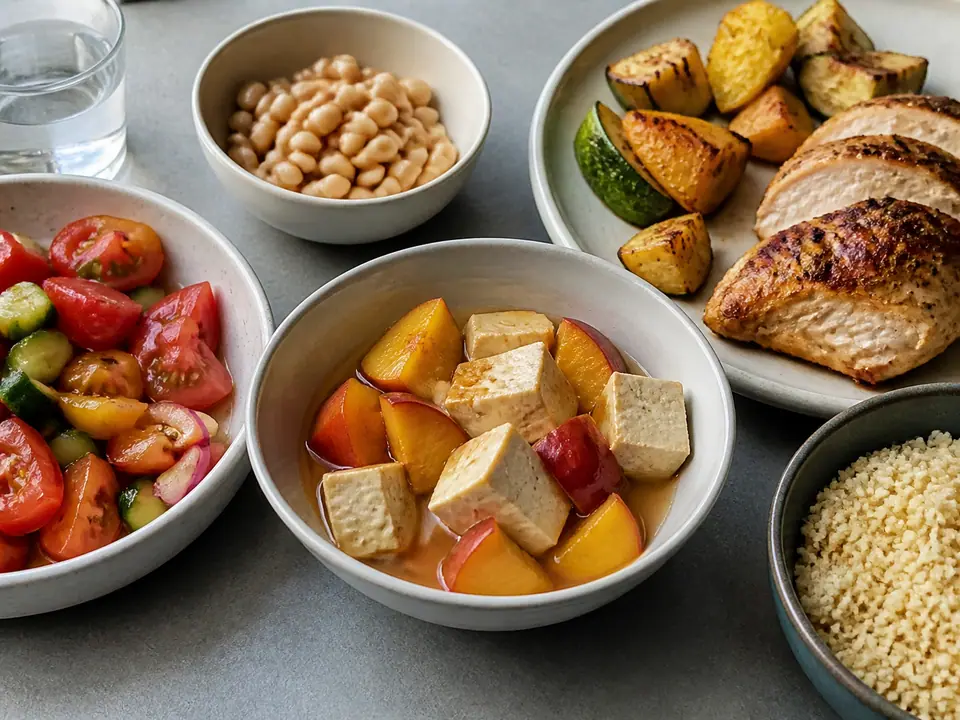
Ripe peaches can carry dinner with tomatoes, tofu, beans, couscous or chicken. Use salt, herbs and acid to keep the sweetness bright rather than dessert-like.
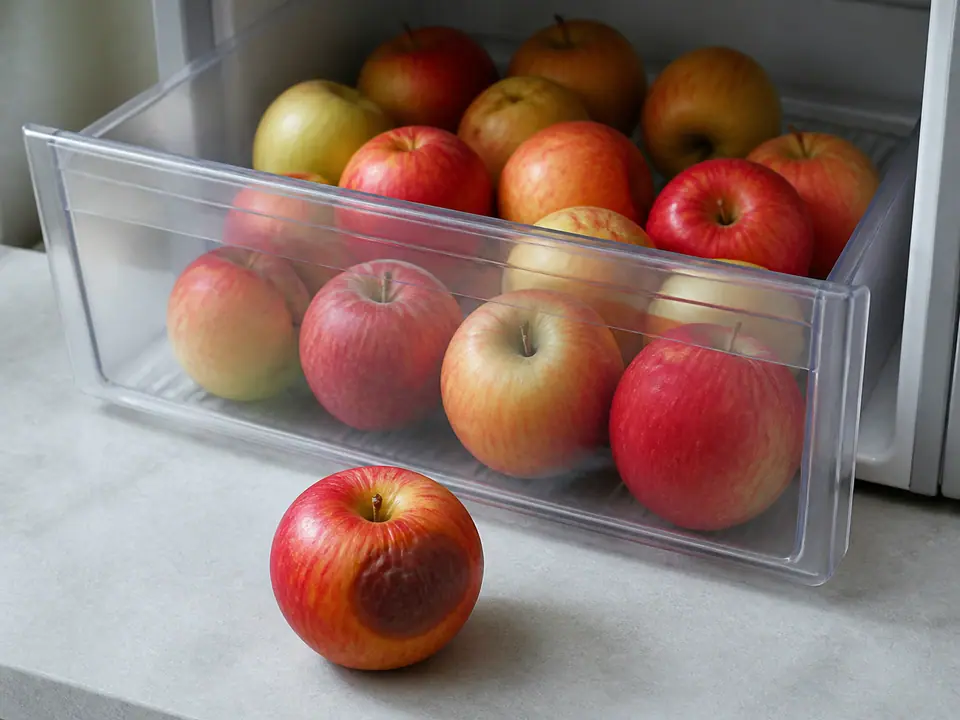
Apples keep their crunch best when cold, protected from bruises and checked for soft fruit. Store them loose or in a breathable bag and remove damaged pieces early.
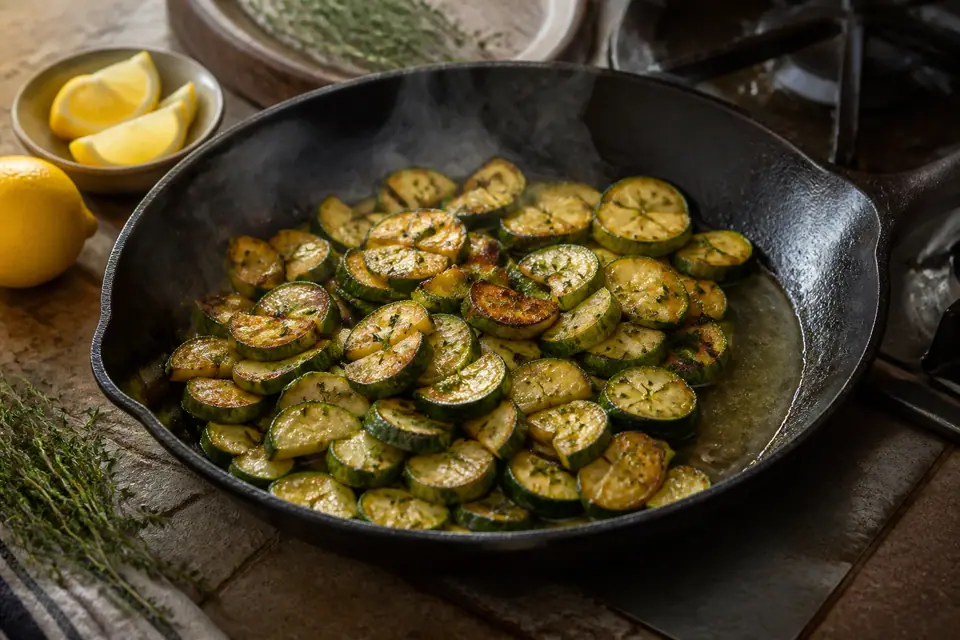
A watery courgette pan is usually a heat and spacing problem, not a bad vegetable. Dry the cut surface, use a wide pan and wait before turning.