Cooking technique
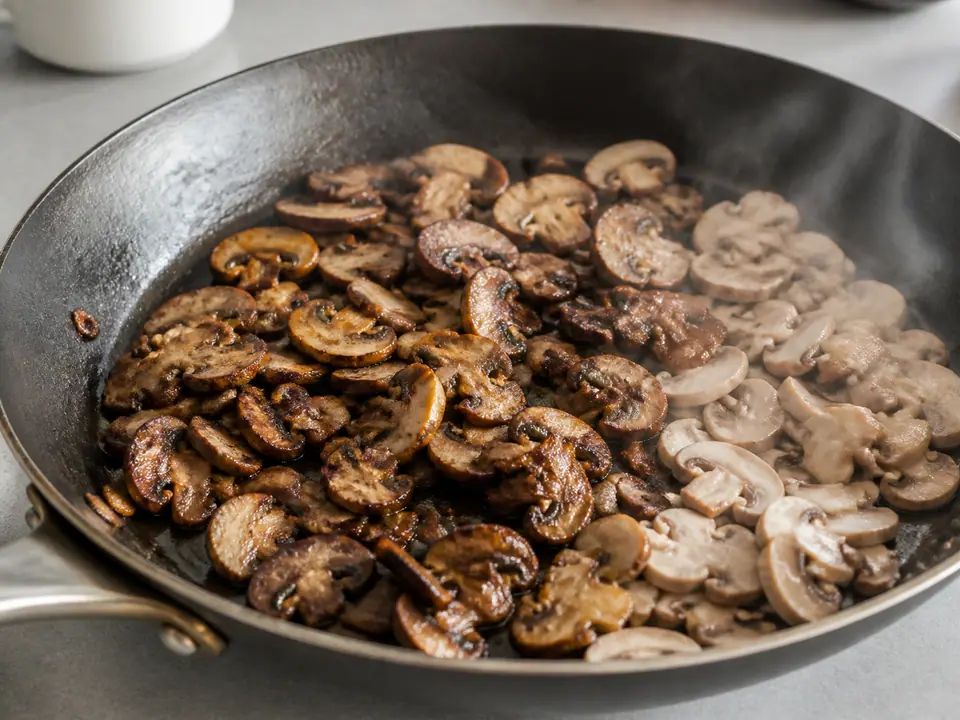
Why mushrooms steam instead of brown
Mushrooms release a surprising amount of water. Give them a dry surface, a wide pan and time before seasoning if you want colour instead of a grey simmer.
Comparisons, buying guides and the answers to "which one is actually better".
Page 5 of 12
Mushrooms release a surprising amount of water. Give them a dry surface, a wide pan and time before seasoning if you want colour instead of a grey simmer.
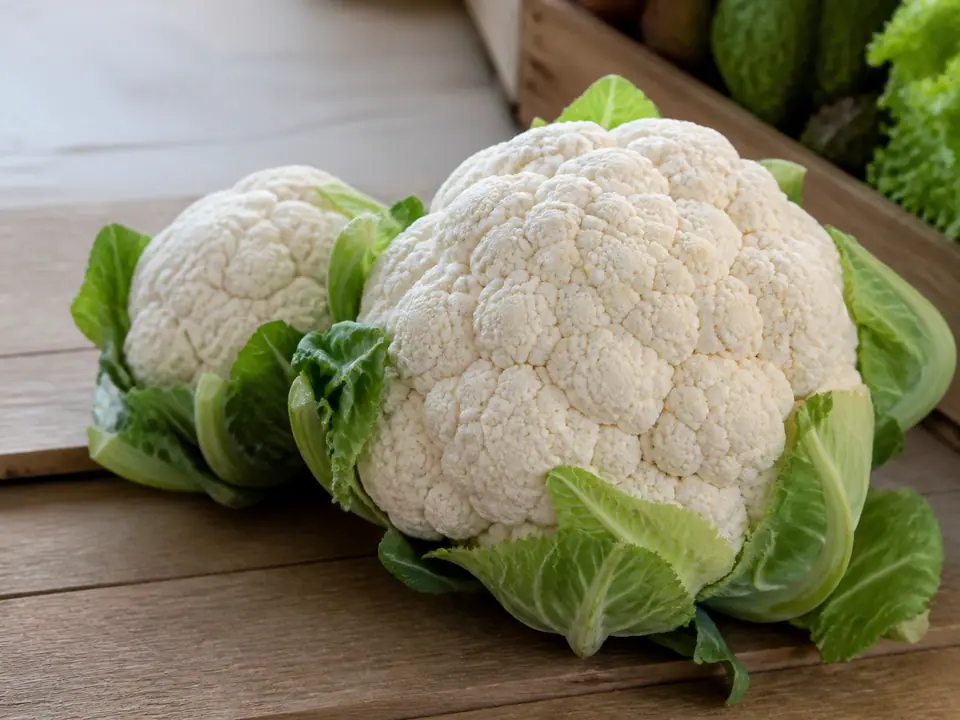
A good cauliflower feels heavy for its size, has a tight white curd and fresh leaves around a dry base. The leaves are the quickest freshness clue.
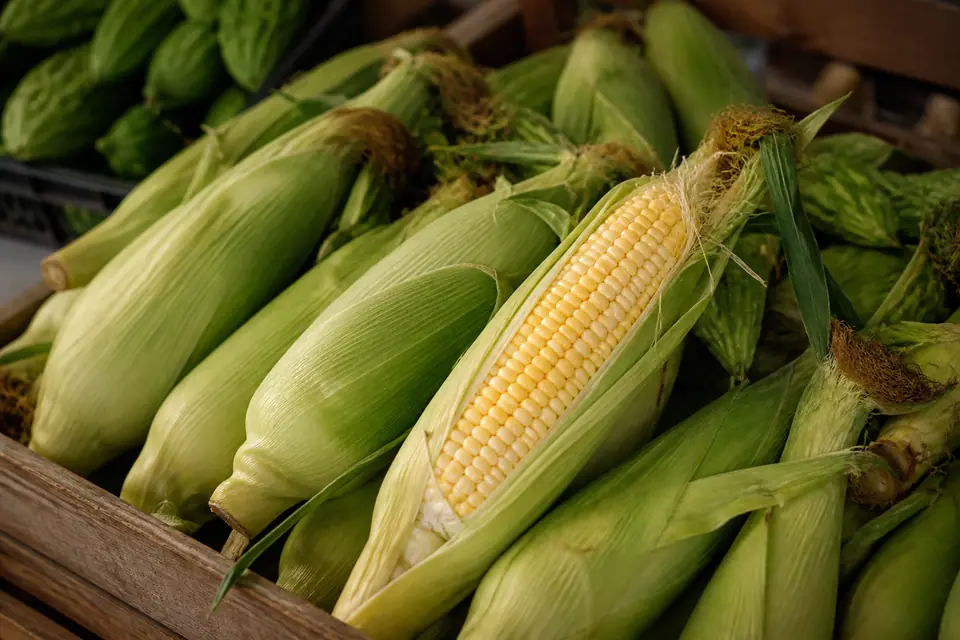
Good sweetcorn feels full, has a green husk and fresh silk, and shows no dry stem or empty tip. Buy the ear that feels juicy, not the one with the loudest colour.
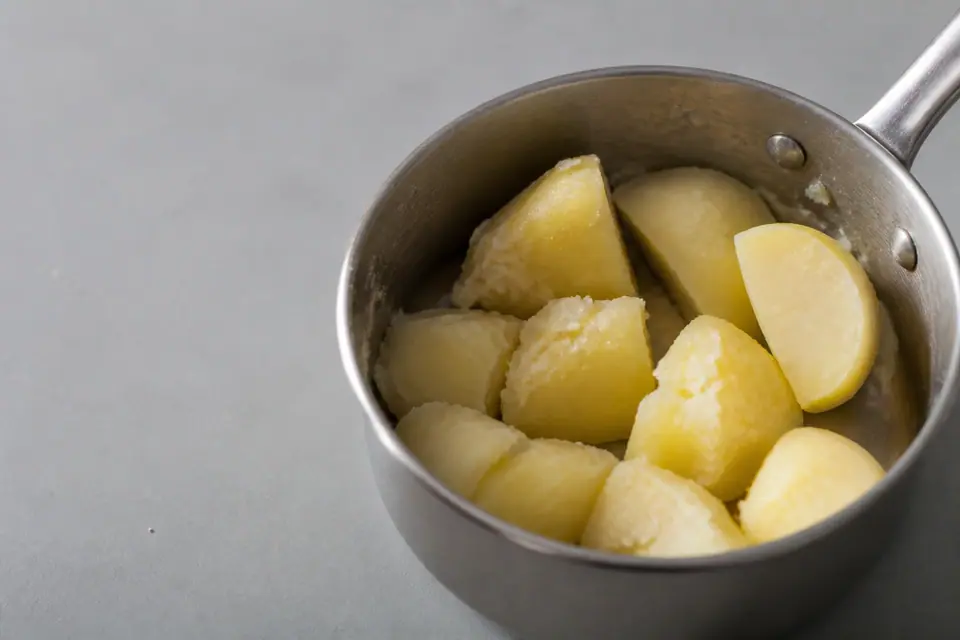
Uneven cuts, a violent boil and different potato textures can leave a pot with broken edges and hard centres. The fix starts before the water boils.
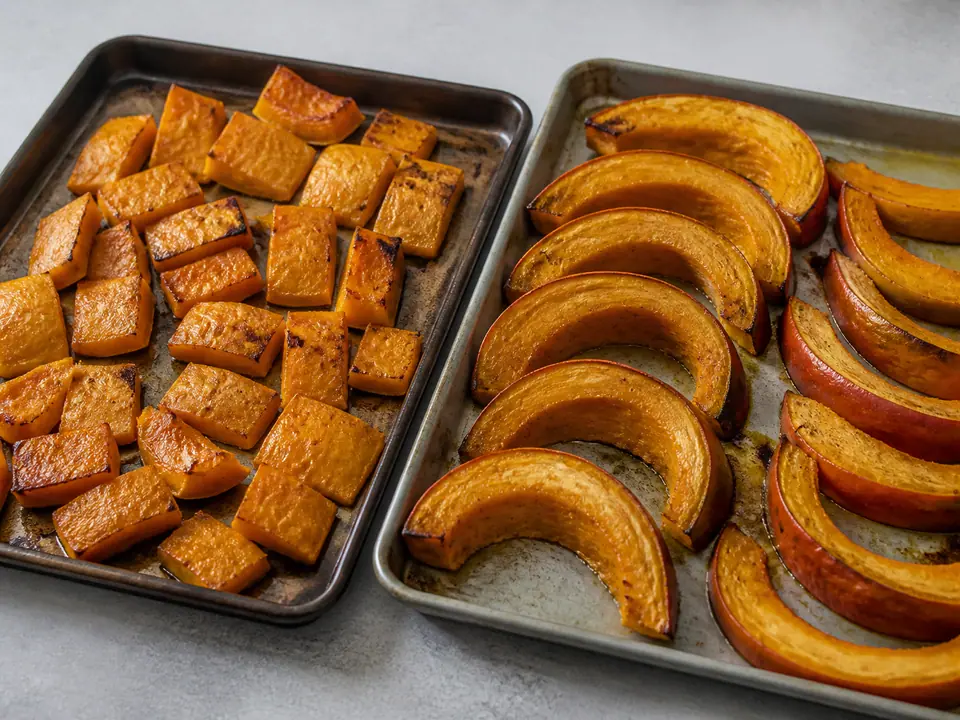
Butternut squash usually roasts more evenly because its flesh is dense and its seed cavity is small. Pumpkin can roast beautifully, but its shape and moisture vary more.
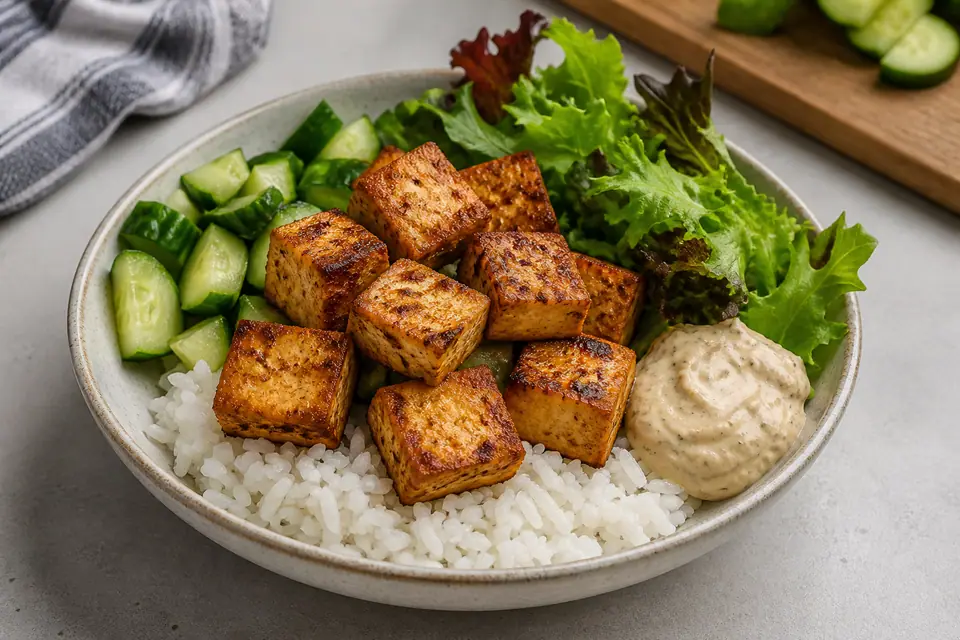
Build the bowl around crisp tofu, then add a base, a fresh vegetable and one strong sauce. Texture and portion balance make simple ingredients feel complete.
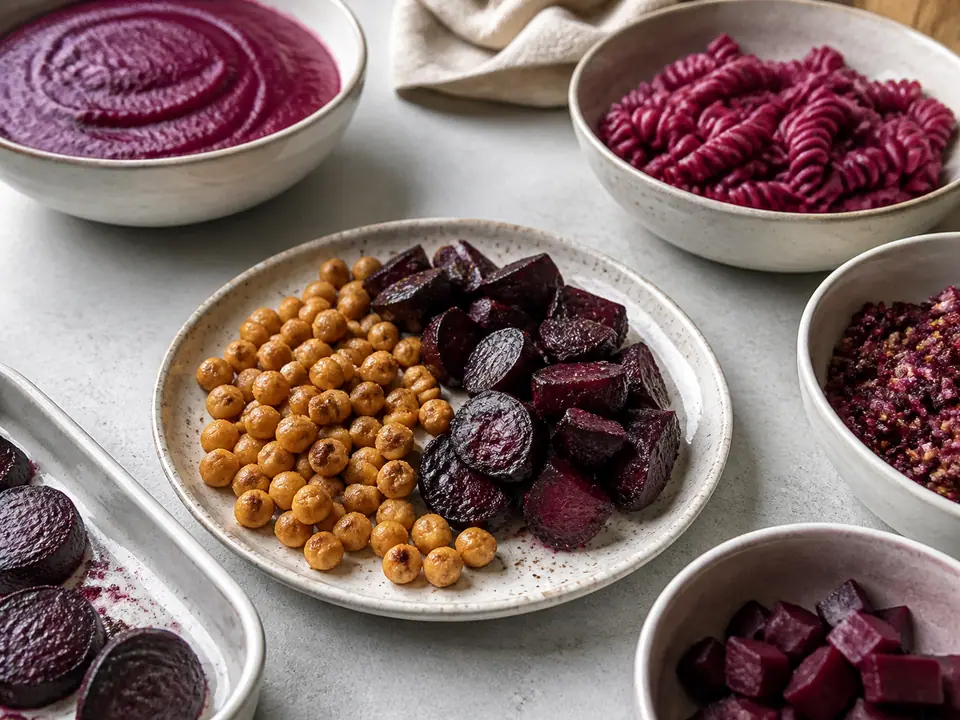
Beetroot can carry dinner in roasted wedges, lentils, soup, pasta or grains. Pair its earthy sweetness with acid, beans, yogurt or a salty finish.
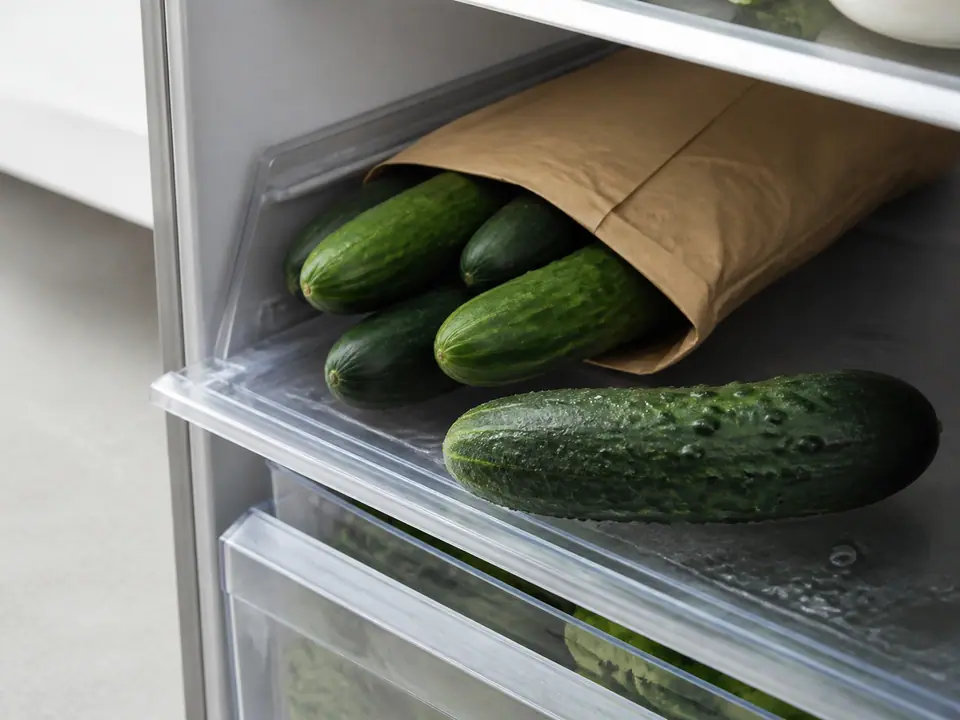
Cucumbers need protection from water loss but can suffer chilling injury in very cold storage. Keep them dry, wrapped loosely and away from the coldest air.
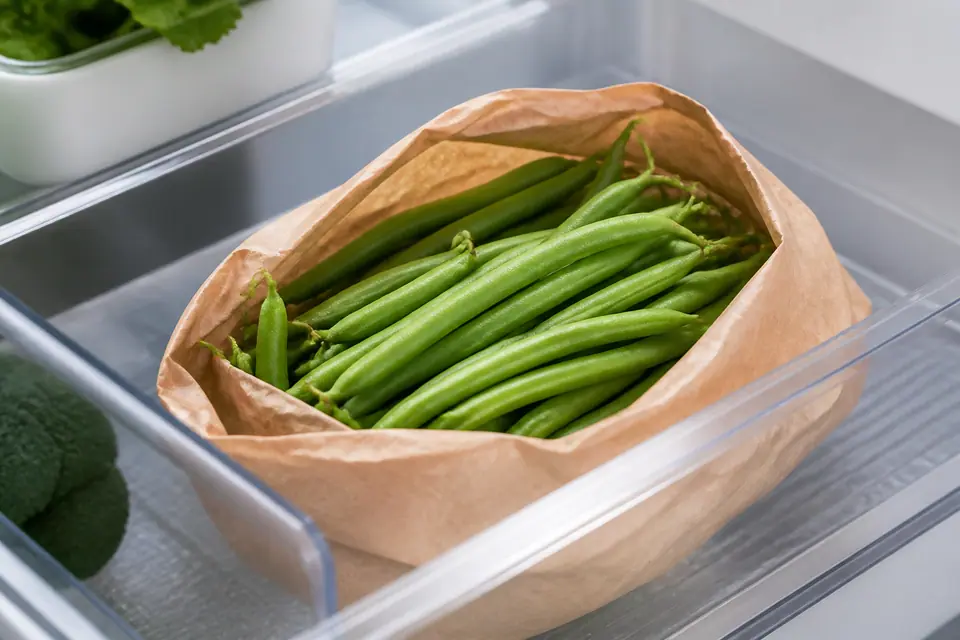
Green beans lose crispness through water loss but decay quickly when stored wet. Keep them unwashed, cool and loosely contained, then rinse just before cooking.
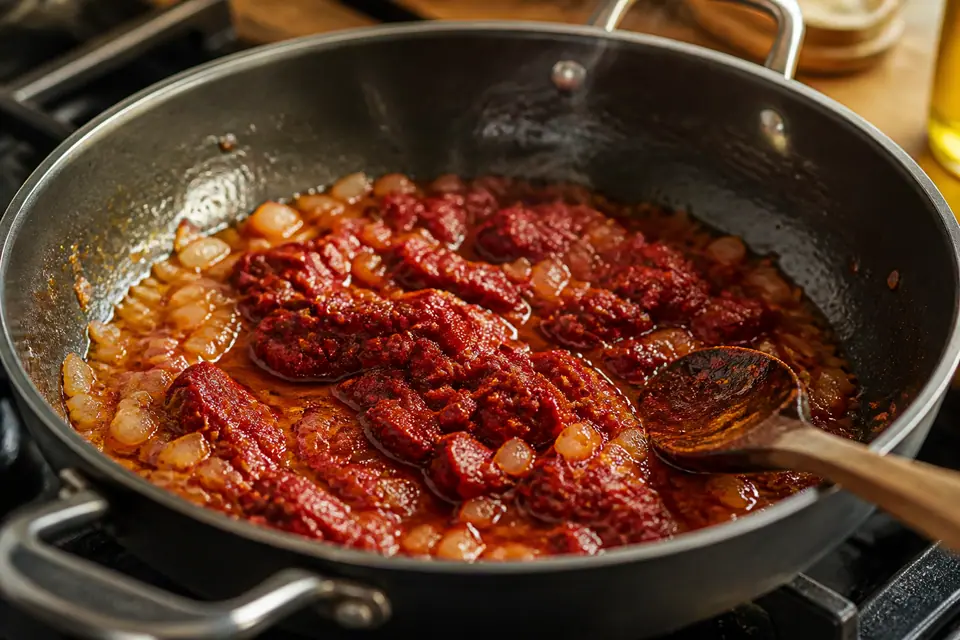
Frying tomato paste removes its raw edge, concentrates its savoury flavour and coats the cooking fat before liquid is added. The colour in the pan tells you when to stop.
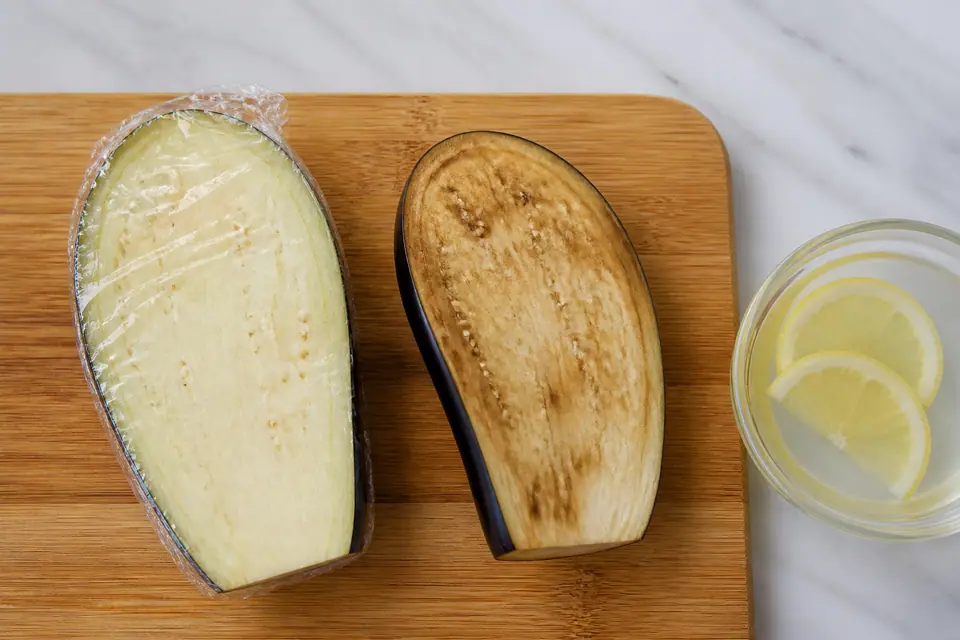
Aubergine browns quickly after cutting because its exposed enzymes meet oxygen. The best fix is cooking soon; lemon water buys you a little time.
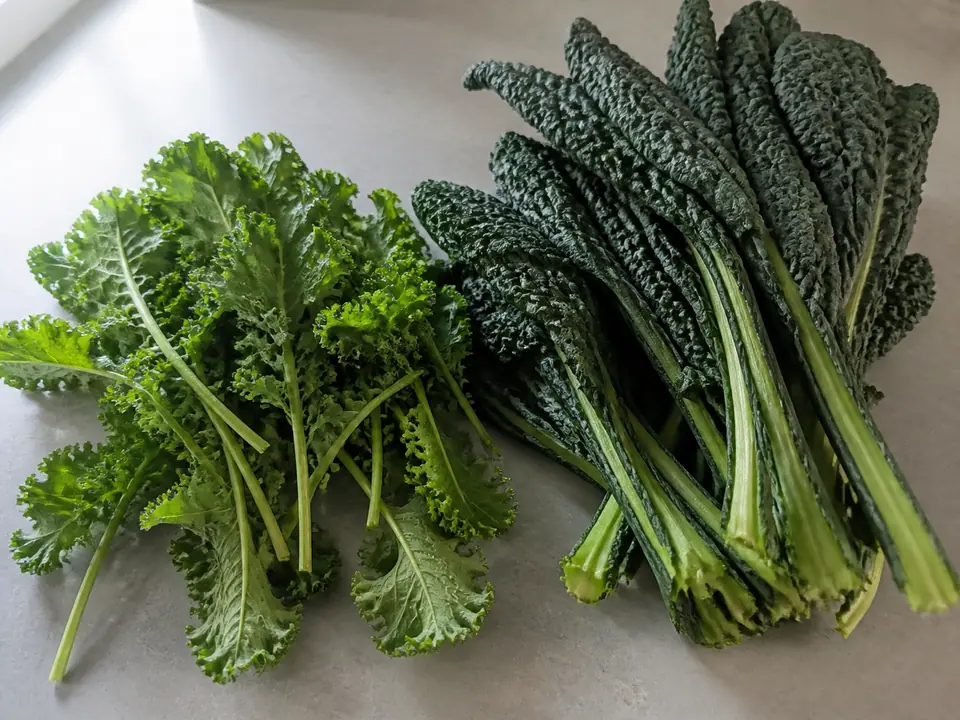
Tender kale has fresh colour, springy leaves and stems that are not thick and woody. Choose smaller leaves for quick cooking and larger ones for soup or roasting.